Let's start with what nobody says out loud
Libido mismatch is the third rail of couple's therapy. It sits between you like a problem that needs solving, when really it's just biology doing its job. One of you wants sex three times a week. The other wants it once a month. Neither of you is wrong. But somewhere between those two needs, resentment starts building.
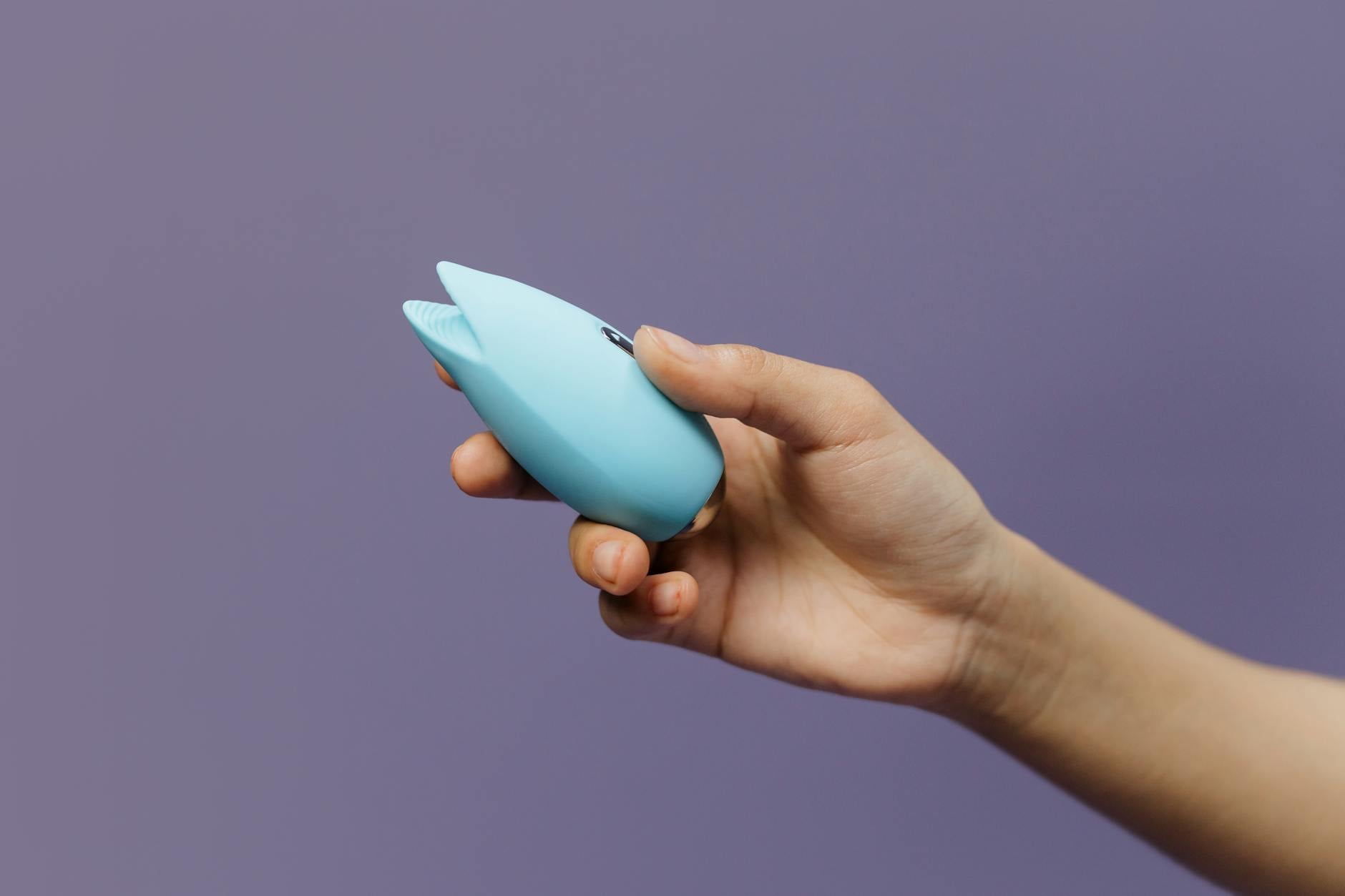
A lemon vibrator changes the equation. Not by fixing anything, but by creating a third option that doesn't require convincing, performing, or one person's needs erasing the other's.
Why libido mismatch feels like a betrayal
It's not actually about sex. When your partner says no to sex, your brain hears "I don't want you." When you say no, your partner feels rejected. Over time, the person with higher desire stops asking because the rejections accumulate. The person with lower desire feels pressured and increasingly distant. You're both right. You're both hurt.
Using a lemon vibrator together flips the script because it removes the rejection component. Nobody's asking for something the other can't give. Instead, you're both choosing to be present for pleasure in a way that works for both of you.
How to introduce it without it feeling like a "problem solver"
This is critical. If you frame it as "we need to fix the libido thing," it becomes another conversation about what's wrong. Instead, treat it like curiosity.
"I've been reading about lemon clitoral vibrators and I'm kind of into the idea of trying one together. Not because anything's missing, but because it sounds fun." That's it. No preamble about frequency or need. Just interest.
If your partner seems hesitant, don't push. Ask what concerns them. Usually it's one of three things: they think you're saying their touch isn't enough, they worry it means you're unsatisfied, or they've got old cultural messaging about vibrators being "cheating." Address the real concern, not the surface objection.
The practical setup that actually works
Start small. You don't need a whole ritual. You need five minutes where you're both willing to try something new.
Set aside time when you're not exhausted. Not "sometime this week." Actual time. Sunday afternoon. Tuesday after dinner. Whenever you both have bandwidth.
One of you holds the lemon vibrator. The other receives. Keep your eyes open. This isn't about hiding in the dark. It's about connection.
Start on the lowest setting. The clitoral area is more sensitive than you think, especially if sex has been infrequent. Work up from there. There's no finish line.
What changes when you use a lemon vibrator together
Three things happen consistently. First, the person with lower desire usually feels less pressure because they're not "performing" sex in the traditional sense. They're present and responsive, but there's no expectation they'll reach a specific outcome.
Second, the person with higher desire gets to experience their partner's pleasure directly. They're not just receiving; they're giving. That shift from "I want sex" to "I want to make you feel good" rewires the whole dynamic.
Third, you start having sex when you both actually want it, not when one person finally convinces the other. The frequency might not triple. But the quality changes completely.
The conversation that has to happen first
Before you bring a lemon vibrator into the bedroom, you need to talk about what it means to both of you. Not a heavy conversation. Just clarity.
"When we use this together, what do you want it to feel like?" Maybe they want it to be playful. Maybe they want it tender. Maybe they want to use it as foreplay to PIV sex, or maybe they want it to be the main event.
Make sure you're not using it as a workaround for a conversation you should be having. If your partner feels unwanted, a vibrator won't fix that. If you feel resentful about frequency, a vibrator won't erase that either. Use it as a bridge to intimacy, not as a substitute for the harder conversation about what you both need.
Common missteps (and how to avoid them)
Don't make it transactional. "Okay, now I'm satisfied, your turn." That's just trading favors. Pleasure should feel mutual even when you're taking turns being the receiver.
Don't compare it to other partners or other experiences. That kills the mood and introduces insecurity. Stay present with what's happening right now.
Don't assume one session "fixed" the mismatch. You might use a lemon vibrator three times and then go back to the frequency you had before. That's fine. The point isn't to hit a magic number. It's to create moments where both people feel wanted.
When the lower-desire partner actually wants to initiate
This is where things shift. Once you've used a lemon vibrator together a few times, sometimes the person with lower baseline desire starts suggesting it. Not because they've suddenly become a high-desire person, but because this specific activity doesn't trigger their resistance.
When that happens, pay attention. That's your baseline changing, just a little. It doesn't mean you're "cured" of low desire. It means you found a way to connect that doesn't feel like a demand.
How to make it part of your regular life
You don't need a huge plan. Once you've used a lemon vibrator together, keep it accessible. Not hidden in a drawer. On the nightstand. Part of your normal toolkit.
That removes the "special occasion" weight it might carry. It becomes one of many ways you and your partner connect, rather than the thing you resort to when someone's frustrated.
The real shift that happens
Libido mismatch rarely disappears completely. One of you will always have a higher baseline need for sexual connection than the other. But when you use a lemon clitoral vibrator together, you're not trying to make both people want the same thing. You're creating moments where both people get something they want. One person gets the release. The other gets to give pleasure. You both get intimacy.
That's the quiet shift. Not "we fixed our libidos." Just "we figured out how to meet each other here."
People also ask
Can we use a lemon vibrator if we're not having much sex already?
Yes, actually easier. There's no performance anxiety because you're trying something new together. You're both on equal footing. If you're used to going long stretches without sex, starting with a lemon vibrator might feel less intimidating than traditional sex because the stakes feel lower.
What if my partner thinks the vibrator is replacing them?
That's the core fear, and it's worth addressing directly. The vibrator isn't replacing them. It's enhancing what they can offer. A lemon clitoral vibrator creates sensations that a hand can't replicate, but a hand holding the vibrator is still their hand. They're still the one choosing where to touch you, how long to stay there, when to speed up. That's intimacy.
How often should we use a lemon vibrator if we have different libidos?
There's no "should." Use it when you both want to. If the higher-desire partner is pushing and the lower-desire partner feels obligated, that defeats the purpose. The goal is for it to feel like a choice for both of you, not a compromise that favors one person's needs.
Does using a lemon vibrator change how often we want sex overall?
Sometimes. When couples use a lemon vibrator regularly, the person with lower desire sometimes finds their interest in other forms of sex increases slightly. But don't expect it to be the magic fix. The real benefit is that you have more moments of connection that feel good for both of you, regardless of overall frequency.
What if only one of us wants to use a lemon vibrator?
Then you use it solo. A lemon vibrator is designed for solo pleasure too. The person with higher desire can use it on their own. The person with lower desire doesn't have to participate in something that doesn't appeal to them. That's actually healthy. Not everything has to be partnered, and not every sexual need has to be met by your partner.
Can a lemon vibrator help if we're in a really tense place about sex?
Not if you're in active conflict. If your relationship is strained and sex has become a weapon or a battleground, introduce a vibrator after you've done some repair work. Maybe with a couples therapist. A lemon vibrator can enhance an already-functional relationship. It can't fix a broken one.