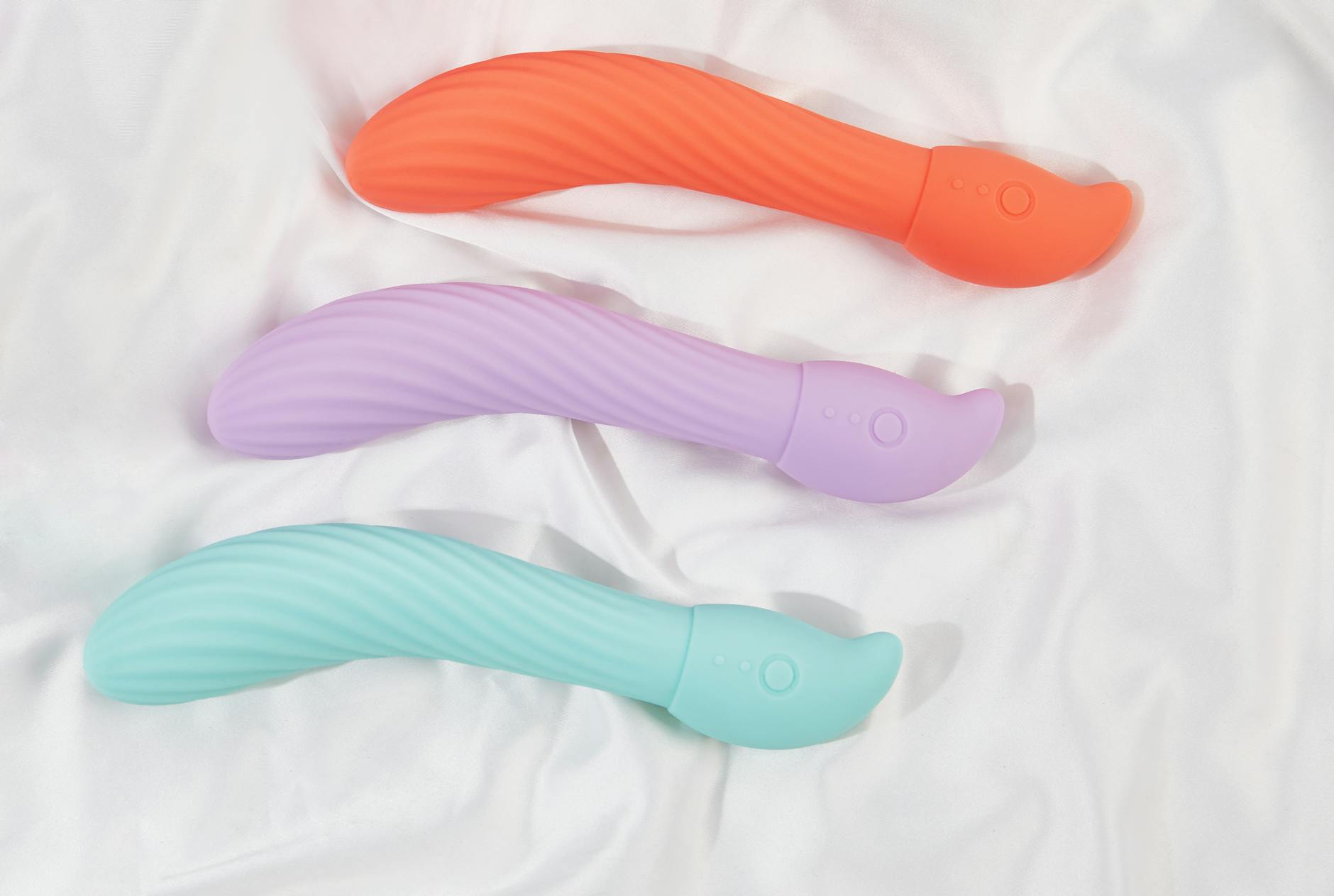
Breakup sex is weird, and that's completely normal
Let's be real. After a breakup or divorce, your body feels like it belongs to someone else's memory. You might feel numb, angry, grieved, or strangely disconnected from touch altogether. Some people swing the other way. But most of us are somewhere in the muddled middle: wanting to feel like ourselves again without actually knowing what that means yet.
Using a lemon vibrator during this phase isn't about rushing into anything or "moving on." It's about slow, intentional reconnection with your own body as a source of pleasure that belongs only to you.
The neurobiology of heartbreak (and why pleasure feels complicated)
When a relationship ends, your brain goes through genuine withdrawal. The neural pathways built over months or years of shared touch, routine intimacy, and emotional bonding don't just switch off. They quiet down slowly, which is why a familiar song or an accidental reach for the phone to text them can hit so hard.
Pleasure centers in your brain also need recalibration. If sex was part of the relationship dynamic—whether it was frequent or fraught—your body has been responding within that context. Now that context is gone. This isn't just emotional. It's physiological. Your body doesn't automatically know how to feel pleasure for pleasure's sake anymore.
This is where a lemon clitoral vibrator becomes useful. Not because it's a magic fix, but because it's an external stimulus that your brain doesn't have a grief-laden association attached to yet.
Starting over means starting small
The worst thing you can do after a breakup is pressure yourself into feeling sexy or aroused. Most people who push themselves into solo pleasure too quickly report feeling worse. It lands as forced, performative, or triggering.
Instead, think of the first month or two as simple sensation exploration, not goal-oriented pleasure.
What this looks like:
Take a lemon vibrator into a comfortable space. Bath, bed, a couch where you feel safe. Start with the lowest setting. Don't aim for orgasm. Your only job is to notice what your body feels like when it's receiving touch that you're giving yourself.
You might feel nothing at first. That's fine. You might feel relief, tingling, slight arousal, or numbness. All of it is information, not failure. Spend 10-15 minutes just noticing. Then stop.
Repeat this a few times before you move up to higher settings or extend the time. Your nervous system has been through something. It needs permission to move slowly.
The psychological difference between partnered and solo touch
Here's something most breakup recovery guides don't mention. Solo pleasure changes something in your brain that partnered sex never quite touches.
When you're with someone, you're partly responding to their desire, their timing, their energy. Even in healthy relationships, even when it's consensual and enthusiastic, there's a subtle other-orientation happening. Your pleasure is entangled with theirs.
Solo touch with a tool like a lemon sucker lets you experience pleasure that's purely yours. No performance element. No need to consider someone else's timeline. Your arousal, your pacing, your intensity, your finish. This is radical for a lot of people, especially if the breakup involved someone who controlled the sexual dynamic.
Using a lemon vibrator in this context isn't just physical. It's a practice in autonomy.
Navigating shame, guilt, and the weird emotions that show up
After a breakup, some people feel guilty for experiencing solo pleasure. You might hear your ex's voice, or worry that pleasure is disloyal to your grief. You might feel ashamed for wanting it when you're "supposed" to be sad.
Here's the truth: pleasure and grief coexist. You can miss someone and still deserve to feel good. You can be angry at your ex and still use a lemon clitoral vibrator. These aren't contradictory. They're just different systems in your nervous system processing different things.
If guilt or shame shows up, pause. Journal about it. Notice it without judgment. But don't let it stop you. Your body's right to pleasure doesn't depend on your ex's feelings, your timeline, or anyone else's timeline but yours.
The role of your partner versus the role of yourself
For people coming out of long-term relationships, solo pleasure sometimes feels almost transgressive because it's the first time in years they've been the only stakeholder in sex. There's freedom in that, but also disorientation.
A tool like the Lem vibrator is intentionally designed for this kind of independent use. It's ergonomic for solo play. It's intuitive. You're not trying to contort yourself or manage two people's needs. It's just you and the sensation.
This matters psychologically. You're retraining your brain to recognize that pleasure can be about you alone. That's not selfish. That's healing.
Timeline expectations (and why you shouldn't have any)
Some people feel reconnected to solo pleasure after a few weeks. Others take months or years. There's no normal timeline here.
What matters is that you're not forcing it. If you're three months out and lemon adult toys still feel weird or triggering, that's not a problem. It's information. You might need more time. You might need a therapist. You might need both. All are okay.
The people who struggle most with post-breakup recovery aren't those who take time. They're the ones who judge themselves for needing it.
Staying safe during this tender phase
There are a few practical things to protect yourself during recovery.
Don't use pleasure as avoidance. If you're using a lemon vibrator six hours a day to avoid processing the breakup, that's your nervous system signaling you need actual support, not more stimulation. Consider talking to a therapist or trusted friend.
Clean your toys. After breakup sex, after solo play, always rinse with warm water and toy cleaner. This is partly hygiene and partly symbolic. Caring for your tools is part of caring for yourself.
Give yourself permission to change your mind. If solo play felt good last week and feels uncomfortable this week, that's not regression. That's your healing process moving. Meet yourself where you are.
Consider if touch aversion is happening. If even the gentlest sensation feels intolerable, you might be experiencing touch aversion, which is trauma-adjacent and worth discussing with a therapist. How to Use a Lemon Vibrator to Overcome Touch Aversion goes deeper into this.
Pleasure as self-advocacy
Using a hello nancy lemon vibrator after a breakup isn't about forcing yourself to "get back out there." It's about a quieter, more important thing. It's about saying to your own nervous system: your pleasure matters. Your body is yours. Your arousal belongs to you.
For a lot of people—especially those who've been in codependent or controlling relationships—this is genuinely new territory. Pleasure without negotiation. Sensation without compromise. Orgasms on your own timeline.
This isn't frivolous. This is reclamation.
FAQ
How soon after a breakup is it safe to start using a lemon vibrator?
There's no magic number. Some people need a few weeks, others need months. The question isn't how soon, but whether you're using it to process or to avoid. If you're gently exploring sensation without pressure, that's fine at any point. If you're using it to escape grief or pain, give yourself more time. A lemon clitoral vibrator is a tool for pleasure, not a shortcut through heartbreak.
What if I feel numb or disconnected when using a lemon sexual toy?
Numbness is common after breakups. It often signals that your nervous system is still in some level of protection mode. Use the lowest setting on your lemon sucker and spend time just noticing sensation without expecting arousal. Sometimes reconnection takes weeks of gentle exposure before sensation starts returning. If numbness persists beyond a few months, talk to a healthcare provider.
Should I tell my therapist I'm using a lemon vibrator during breakup recovery?
If you have a therapist, yes. Not because there's anything wrong with solo pleasure, but because it's relevant data about your healing. A good therapist won't judge this. They'll ask useful questions about whether it feels healing or escapist, and that clarity helps.
Is using a lemon vibrator alone after a breakup a sign I'm not ready to date?
No. Solo pleasure and dating readiness aren't connected. Some people heal faster with solo exploration. Others need more time. Some people need both happening at different speeds. Use a lemon clitoral vibrator as long as it feels good. Date when you feel ready. These don't have to sync up.
Can using a lemon vibrator too much delay moving on?
Pleasure doesn't delay healing. Avoidance delays healing. If you're spending eight hours a day with a hello nancy tool to avoid processing, that's avoidance. If you're spending 20 minutes a few times a week reconnecting with your body, that's self-care. The frequency doesn't matter. The intention does.
What if I start crying during or after using a lemon vibrator?
That happens. Pleasure and grief can unlock each other. Your nervous system is literally remembering what safety and sensation feel like after trauma. Sometimes that releases tears. Cry. Let it happen. Then gently clean your toy, drink some water, and be gentle with yourself for a few hours. This is actually a sign the tool is working—not that something is wrong.
Breakup recovery isn't linear. Reclaiming pleasure is one small part of it. But it's an important part because it's one of the few things that belongs entirely to you. A lemon vibrator is just a tool. But it's a tool that says: your body is yours. Your pleasure matters. And you're worth caring for while you heal.