Let's talk about the pleasure desert
Here's the thing nobody warns you about: major life changes don't just upend your schedule or your bank account. They steal pleasure from you. Divorce, relocation, career overhaul, empty nest, grief. Something shifts internally. Sex feels distant. Desire flatlines. Orgasms, if they happen at all, feel like you're experiencing them from three rooms away.
You're not broken. Your nervous system is in protective mode.
Why pleasure disconnects during transition
When your brain is processing a major life shift, it's running a very different operating system. Your prefrontal cortex (the part that handles pleasure, connection, and nuance) gets quieter. Your threat-detection system (the amygdala) gets louder. This isn't weakness or lost desire. It's neurobiology.
During a divorce, your body is in low-grade crisis mode. During relocation, even if it's wanted, you're managing dozens of microtraumas: new home, new routes, new rhythms. Your nervous system doesn't differentiate between "good change" and "bad change." Change is demand. Demand triggers protection.
When you're in protection mode, pleasure is a low priority. Your nervous system has other work to do.
The second part is cognitive. During major transition, your mental bandwidth is consumed. You're problem-solving, grieving, organizing, renegotiating identity. Sex requires mental presence. If you're mentally absent, the physical sensations don't register. You might be physically responsive but feel nothing emotionally. Which is worse than wanting it and not being able to access it.
The identity piece (which nobody talks about)
Most major life transitions include a quiet identity crisis. Divorce means you're no longer a spouse. Empty nest means you're no longer the primary caregiver. Career change means that part of your social currency shifts. These are small deaths, and even when they're wanted, they require grief.
During that grief, pleasure can feel like betrayal. Like you're not allowed to feel good yet. Or it can feel trivial. How can you think about pleasure when your old life is dissolving?
Your body knows this. And it protects itself by dampening sensation.
What actually helps: the nervous system reset
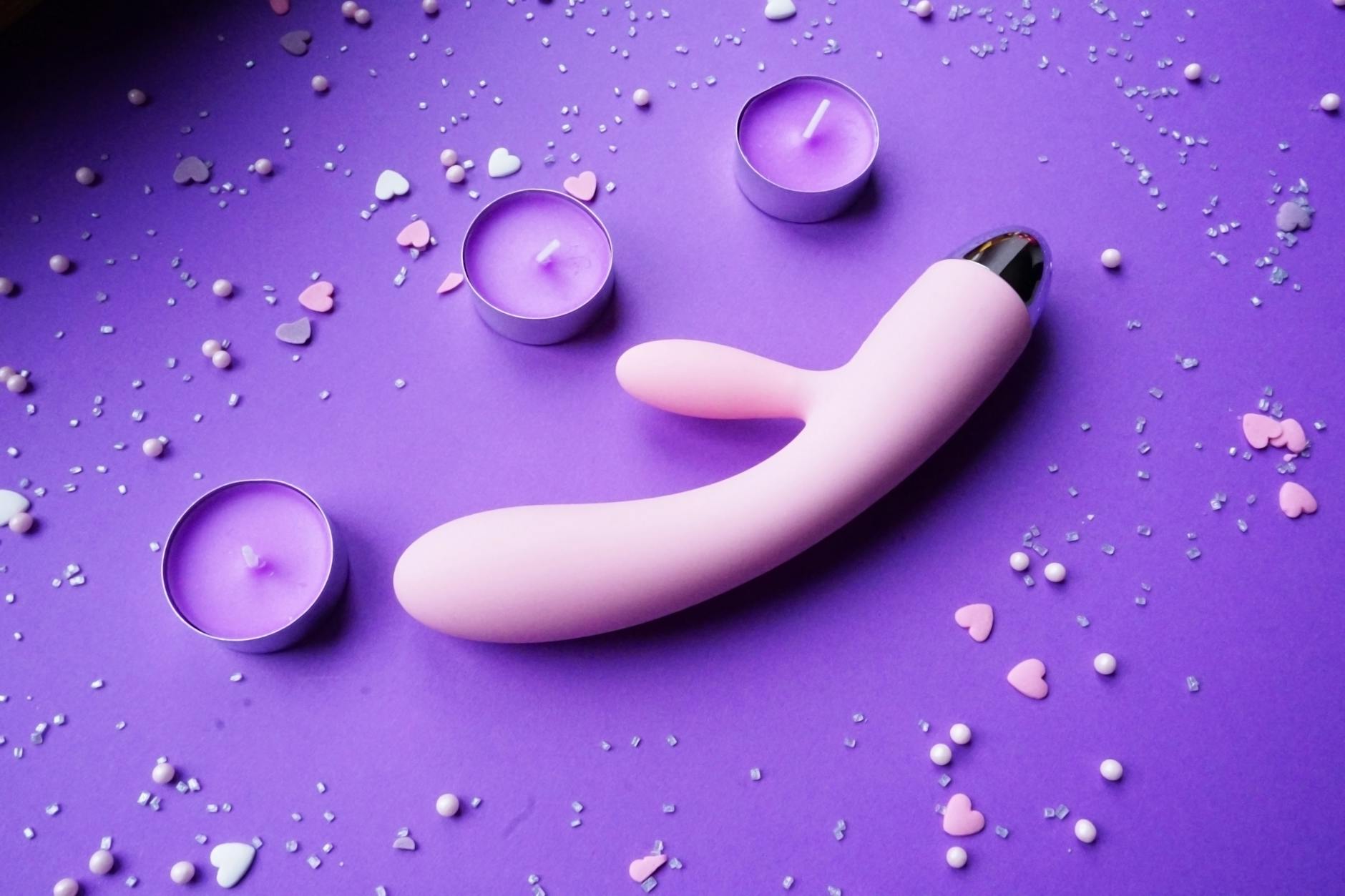
The fastest way back to pleasure isn't talking more about why you've lost it. It's resettling your nervous system. Here's where clitoral vibrators like the Lem become genuinely useful.
Air-suction technology in a lemon clitoral vibrator works on a different principle than traditional vibration. It stimulates the external clitoral structures without pressure, which means your nervous system gets to experience pleasure without effort. You don't have to perform. You don't have to build to anything. You can simply receive stimulation and let your body respond.
For someone in a nervous-system deficit, that's remarkable. You're not asking your brain to turn on. You're giving your body permission to feel sensation and respond naturally.
Start small. Set aside fifteen minutes. Use the lowest setting on the Lem and simply practice receiving. No goals. No orgasm expected. Just sensation.
Do this three to five times over two weeks. You're not trying to regain pleasure. You're teaching your nervous system that pleasure is safe again.
The partner question (if you have one)
If you're rebuilding pleasure with a partner after major life change, the most common mistake is trying to go back to how it was. You won't. And that's not the goal. The goal is finding out who you are now, and what pleasure looks like for this version of you.
Introduce a lemon vibrator not as a fix or a supplement. Introduce it as a reset. "I want to rebuild this part of myself. I'd like you present while I do, but I'm not doing this for you." That distinction matters enormously. You're reclaiming pleasure as your own nervous-system work, not performance for a partner.
If your partner struggles with that, that's useful information. And it's separate from the vibrator question. That's a relationship question.
The timeline is longer than you think
Pleasure doesn't return on the timeline you want it to. Most people expect it back in weeks. It usually takes months. After a major life change, your nervous system needs consistency. It needs to learn that it's safe to feel good again.
That's not laziness or lost desire. That's how neuroplasticity works. You're literally rewiring neural pathways. That takes time.
Use the Lem two to three times per week, ideally at the same time of day. Your nervous system loves rhythm. Over six to eight weeks, you'll notice sensation returning. Not the feeling of obligation to feel pleasure, but actual sensation.
The grief and pleasure coexist piece
One thing I need to say directly: you don't need to be "over" the life change before you reclaim pleasure. Grief and sensation can live in the same body at the same time. In fact, they should. If you wait until you're fully healed, you'll wait forever. Pleasure is part of healing. It's not a reward you get after you've finished grieving. It's a resource you use during.
After a major transition, pleasure is actually an act of defiance. It's your body saying "I survived this, and I'm still here, and I deserve to feel good." That's not frivolous. That's reclamation.
When to bring in help
If after eight weeks of consistent practice, sensation still isn't returning, talk to someone. A sex therapist, not a general therapist. There are specific techniques (like sensate focus exercises or somatic work) that help when pleasure remains disconnected. That's not weakness. That's knowing when you need professional support.
If depression or anxiety showed up during the life change and hasn't lifted, address that first. You can't rebuild pleasure on a foundation of untreated anxiety. Treat the underlying condition, then work on pleasure.
FAQ
What if I don't feel anything the first few times I use a lemon vibrator after major change?
That's normal. Numbness is a protective response during transition. You're not broken. Your nervous system is just being cautious. Keep showing up consistently, and sensation returns. Think of it like physical rehab after an injury. The first week feels pointless. By week six, you're noticing actual strength. Same principle applies here.
Can a lemon clitoral vibrator help if I'm still grieving my old relationship?
Absolutely. Grief and pleasure coexist. Using a lemon vibrator while you're grieving isn't disrespectful to your loss. It's part of the healing process. Your body needs to know it's safe to feel good again, even while your heart is processing loss. These two things aren't mutually exclusive.
Is it better to use a lemon vibrator solo or with a partner during transition?
Start solo. Your goal is to reconnect with your own sensation and nervous system, not to perform for someone else. Once you've regained consistent sensation solo (usually six to eight weeks), introducing your partner becomes a choice, not a necessity. That changes the energy entirely.
How does a lemon sucker design help more than a regular vibrator during major life change?
Air-suction technology in a lemon clitoral vibrator stimulates without pressure. For someone whose nervous system is already in protection mode, that matters. You're not adding intensity or demand. You're offering gentle, consistent stimulation that your nervous system can receive safely.
Should I feel guilty about prioritizing pleasure while going through a major transition?
No. Not even a little. In fact, the people who heal fastest from major life change are the ones who continue prioritizing their own pleasure and self-care. You're not being selfish. You're modeling to your nervous system that you're worth taking care of. That's fundamental healing work.
What if I'm worried my partner will feel threatened by me using a lemon vibrator?
That's a separate conversation from the vibrator itself. If your partner is insecure about you prioritizing your own pleasure, that's a relationship issue that deserves attention. It might be rooted in their own fears about the transition or the relationship. A good therapist can help navigate that. The Lem isn't the problem. The insecurity is. Address the actual issue.
The return
Pleasure after major life change isn't about forgetting what you've lost. It's about integrating it. You're not going back to who you were before. You're becoming who you are now. And that version of you deserves pleasure, connection, and the kind of consistent, gentle stimulation a quality lemon clitoral vibrator offers.
Start small. Show up consistently. Trust that sensation returns on its own timeline. Your body knows how to feel good. It just needs permission and practice to remember.