Here's what nobody tells you about breakup sex
Breakups break intimacy. Not just the partnership — your relationship with your own body. You've spent months or years (or decades) coordinating pleasure with someone else. Your body learned to respond to their touch, their timing, their rhythm. Suddenly that's gone. What remains is unfamiliar territory.
Many people avoid masturbation entirely after a breakup. It feels lonely. Or it triggers the memory of what was. Or it feels selfish when you're supposed to be grieving. Here's the thing: solo pleasure isn't a consolation prize. It's the fastest way to reclaim your body as yours.
Why lemon vibrators specifically help with this transition
Breakups create two simultaneous problems. First, you've lost a source of physical touch. Second, and deeper, you've lost the emotional safety that usually surrounds sex. That combination can make penetration feel vulnerable, or oral stimulation feel like it's mimicking what your ex did. You need a way to access pleasure that feels distinct and new.
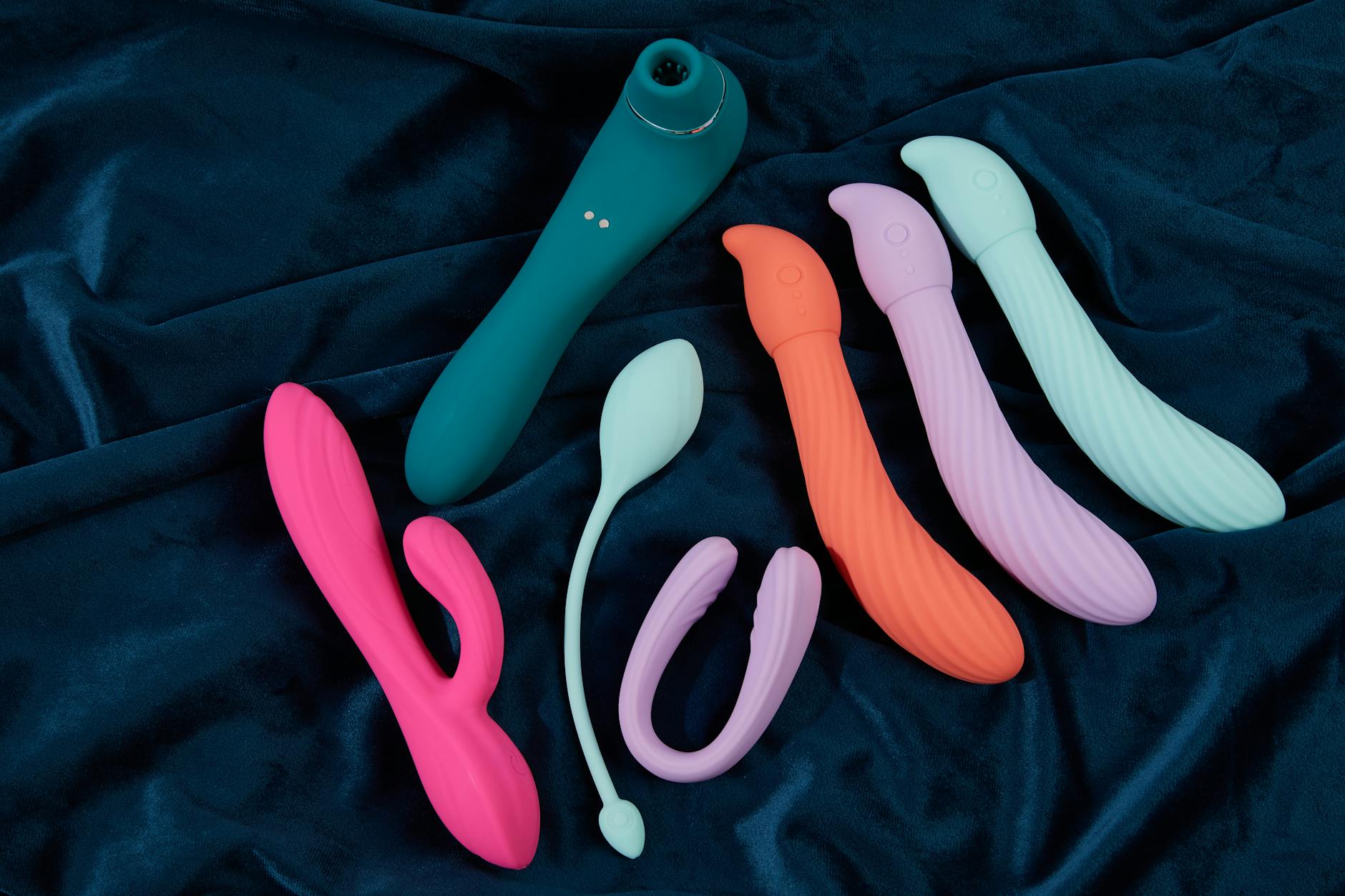
Lemon clitoral vibrators solve this in a specific way. They're engineered for external stimulation, which means you're not managing insertion or depth. The suction-based design on models like the Lemon Clitoral Vibrator creates a completely different sensation than partnered sex — it's more focused, more controllable, and honestly, more forgiving. You set the pace. You choose the intensity. You stop whenever you want.
Let me be clear: vibrators aren't a substitute for human connection. But they're also not a "lesser" form of pleasure. They're a different form. One where you're in charge.
The first step: permission and privacy
Breakups often leave you living in a liminal space. Maybe you're in a new apartment, or you've claimed half of your shared one. Maybe you're on your parent's couch, or crashing with a friend. The logistics of privacy can feel impossible.
Start there. Not with the vibrator. With permission. Give yourself explicit, internal permission to explore pleasure without guilt. Write it down if that helps. "My pleasure is mine. My body is mine. This is how I heal."
Then solve the privacy problem, however small. A locked door for five minutes. Earpuds in, door closed. Shower time that's actually shower time. You don't need a four-hour spa day. You need ten uninterrupted minutes and a closed door.
Starting without intensity
Many people who've just exited a partnership find that high-intensity vibration feels overwhelming or even painful. Your nervous system is already flooded with cortisol and adrenaline from the breakup. Adding a lot of stimulation can feel jarring rather than pleasurable.
Start at the lowest setting. If your lemon clitoral vibrator has multiple patterns, start with the simplest rhythm. Get to know the device slowly. Let your body adjust. This isn't about achieving orgasm — that's a mile down the road. This is about reintroducing yourself to your own pleasure without pressure.
Many of my clients find that the first few sessions are just exploration. Touching the vibrator to different areas. Getting familiar with the sensation. Noticing what feels good versus what doesn't. That's completely normal. You're not broken if it takes three or four tries before anything feels genuinely pleasurable.
Why touch matters even more now
Breakups teach us something harsh: other people's touch can be taken away. That's real. But in response, some people pull away from touch entirely, including self-touch. They protect themselves by going numb.
That's the opposite of what actually helps. Touch is how your nervous system remembers safety. It's how you rebuild trust in pleasure. Gentle self-touch, combined with the sensation from a lemon adult toy, sends your brain a signal: "I am taking care of myself. I am safe with myself. My body is a source of good feeling, not loss."
Take time to touch yourself before you even turn on the vibrator. Hands on your chest, your thighs, your belly. Slow breathing. Noticing what your body needs. Then introduce the toy. The combination — intentional touch plus external stimulation — is more healing than the vibration alone.
When to expect pleasure to return
For some people, pleasure comes back quickly. For others, it takes weeks or months. Both are completely normal. There's no timeline for grief, and pleasure is tangled up in that grief.
Watch for the shift: the moment when touch feels like something you're doing to yourself out of obligation versus something that genuinely feels good. That moment might come during your first session. It might come during your fifteenth. When it arrives, you'll know.
In the meantime, be patient with yourself. If you're not aroused, or if orgasm doesn't happen, that's not failure. You're building a relationship with your body again. That takes time.
Practical tips for solo exploration
Start with clean hands and a clean toy. Wash your lemon sexual toy before and after use with mild soap and water (check your device's specific care instructions). This isn't just hygiene — it's ritual. It marks the experience as intentional and cared-for.
Use a water-based lubricant if you're dry. Breakups disrupt hormone balance and arousal patterns. Lubrication isn't a sign of failure. It's thoughtful self-care.
Choose a time when you're not exhausted. The first week after a breakup, you're running on fumes. Pick a moment when you're not depleted. Late morning, or early evening. Not when you're already overstimulated.
Don't combine it with alcohol or other numbing substances. You're trying to rebuild embodiment, not escape it. Clear-headed pleasure teaches your nervous system that you're safe enough to feel.
How solo pleasure rebuilds confidence
One of the deepest wounds a breakup creates is the question: "Was I good enough?" Your body carries that question. Relearning solo pleasure is how you answer it. Each time you give yourself an orgasm, your nervous system registers: "I can make myself feel good. I don't need someone else's approval to access pleasure. My body is capable and trustworthy."
That's not small. That's foundational.
Many of my clients report that returning to solo pleasure after a breakup is when they finally believe that the relationship ending wasn't about their insufficiency. It was about incompatibility. And that's a completely different story.
Moving forward without rushing
There's no timeline for when you should consider partnered sex again. Solo pleasure with a lemon clitoral vibrator isn't a phase you're trying to exit. It's part of your lifelong relationship with yourself. Even if you partner up again, the skills and confidence you build now don't disappear.
If you're wondering whether reconnecting with solo pleasure means you're "over" the breakup — you're not. Grief and pleasure coexist. You can miss someone and enjoy yourself. Those aren't contradictions. They're how humans actually work.
Your body is the only constant in every chapter of your life. Rebuilding that relationship after a breakup isn't a detour. It's the main road back to yourself.
FAQ: Questions about solo pleasure after breakup
Is it normal to feel guilty about masturbating after a breakup?
Completely normal. You might feel like you're being disloyal, or like pleasure is frivolous when you're supposed to be grieving. Neither is true. Pleasure and grief can happen simultaneously. Reconnecting with your own body is how you rebuild after loss. If guilt persists, it might be worth talking to a therapist who specializes in breakup recovery and embodiment.
How long after a breakup should I wait before using a vibrator?
There's no rule. Some people are ready after a few days. Others need weeks. Your nervous system will tell you when you're ready. If the thought of pleasure feels interesting rather than painful, you're probably ready. If it feels like adding insult to injury, wait. Trust that signal.
Can using a lemon vibrator alone prevent me from having pleasure with a future partner?
No. This is a common myth. Your body doesn't "get used to" vibration in a way that makes partnered sex impossible. Different types of stimulation activate different neural pathways. A lemon clitoral vibrator creates a specific kind of pleasure. A partner creates a different one. Your body is capable of both.
What if I don't reach orgasm the first few times I try?
Orgasm isn't the goal right now. Reconnection is. Some people find that their first few sessions after a breakup are about sensation and exploration, not climax. That's fine. Pressure to orgasm is the opposite of what your nervous system needs. Let orgasm be a bonus, not a requirement.
Should I tell my therapist that I'm using a vibrator as part of breakup recovery?
If you have a therapist, yes. It's useful information about how you're rebuilding embodiment. A good therapist will support this as a healthy part of reclaiming your body. If your therapist shames you for it, that's a sign you might need a different therapist.
How do I know if my lemon adult toy is right for my body?
Start with the lowest intensity and a simple pattern. If it feels good, great. If it feels uncomfortable or overstimulating, try moving it to different areas or adjusting the position. Your body's preferences might be different now than they were before the breakup. Give yourself a few sessions to figure out what feels right.
The path forward is yours alone
Breakups test us. They ask hard questions about belonging, worth, and desire. The answers don't come from another person. They come from inside. Reconnecting with solo pleasure, whether through a lemon vibrator or any other method, is how you remind yourself that joy is something you can access on your own terms.
Your body survived the breakup. Now it gets to heal. That's not a consolation. That's a gift you give yourself.
If you're ready to explore, start small. Be patient. Trust the process. And remember: pleasure that you give yourself is never selfish. It's reclamation.