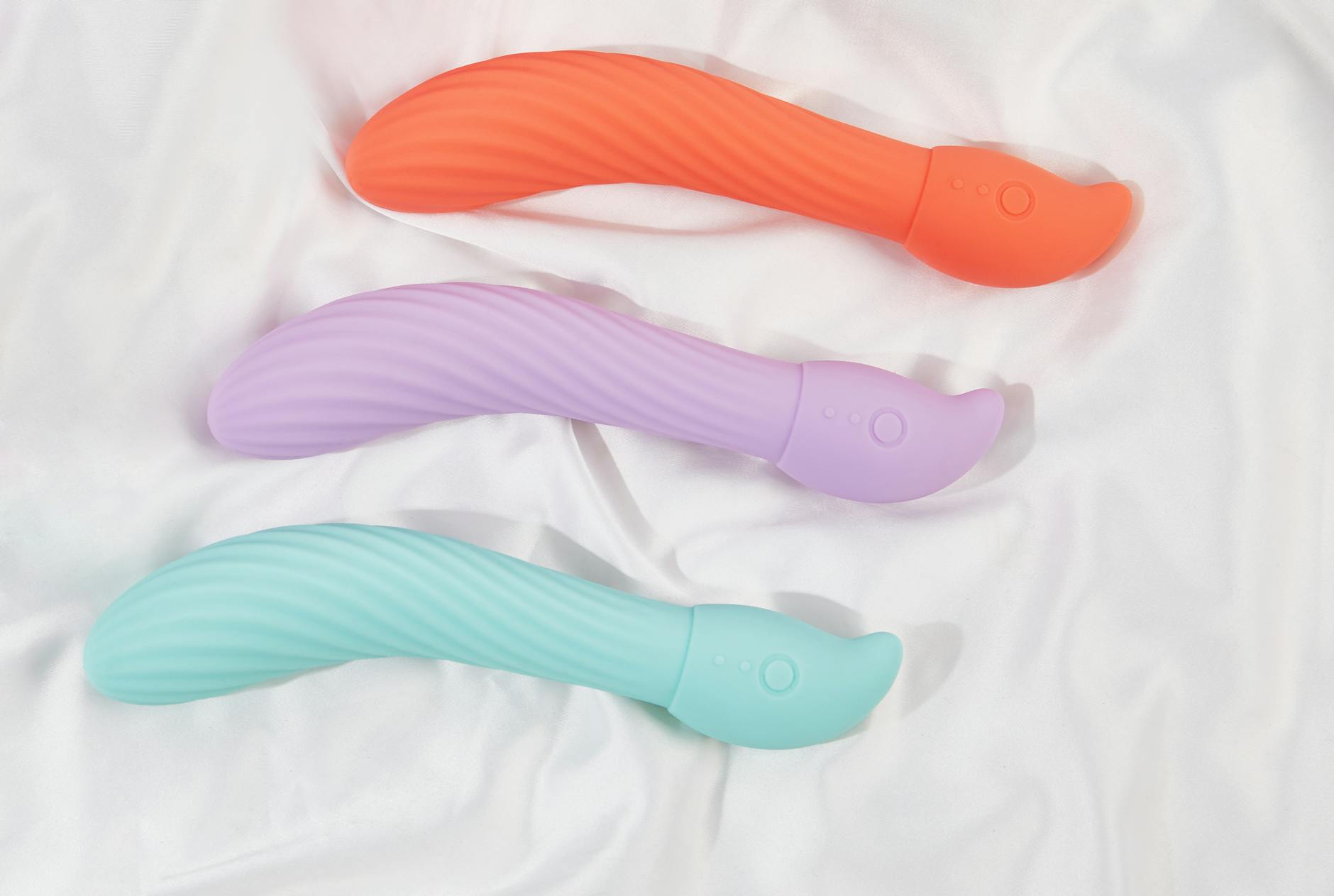
How to Use a Lemon Vibrator for Better Pleasure After Antidepressants
Here's the thing nobody wants to say out loud: antidepressants save lives, and they also make orgasms harder to find. SSRIs, SNRIs, and other common antidepressants work by altering how your brain processes serotonin, which is great for mood stability and completely terrible for sexual sensation. Up to 60% of people on SSRIs report sexual dysfunction. That's not a quirk. That's a pattern we need to talk about.
The good news? This is solvable. You don't have to choose between mental health and pleasure. And you definitely don't have to quit medication that's working just to feel something during sex.
What antidepressants actually do to pleasure
SSRIs and SNRIs don't make you broken. They change the signaling in your nervous system in specific, predictable ways. When serotonin is elevated, your brain dampens the dopamine response that normally floods during arousal. Dopamine is the "oh wow" chemical. Serotonin at high levels says "stay calm, stay balanced." For your mood, that's helpful. For your libido, it's a wet blanket.
The physical symptoms show up as numbness in the genitals, delayed or completely absent orgasm, reduced lubrication, and a general flatness in sensation. It's not that you've lost the ability to come. It's that the signal is weaker. The pathway exists, but the volume is turned down.
Some people also experience what feels like emotional distance during sex. Your partner is there, you care about them, but there's a layer of glass between you and the experience. This is medication working as designed, not a sign of relationship failure.
Why clitoral vibrators work when medication has flattened sensation
A lemon vibrator or other high-frequency clitoral vibrator works because it's loud enough to cut through the dampened signal. We're talking about air-suction technology, not regular vibration. The Lem, for example, creates 300 suction pulses per second. That's not just stimulation. That's aggressive, focused nerve activation that bypasses some of the central nervous system dampening that antidepressants create.
Here's the neurology: your clitoral nerves are still there. Your capacity for pleasure hasn't been erased. The medication is just turning down the volume on your brain's ability to interpret the signal as pleasure. A lemon clitoral vibrator essentially turns up the signal itself, so even with the volume lowered, you still reach the threshold where your brain recognizes it as sensation.
Regular vibrators often don't work for people on SSRIs because they're not intense enough. They send a softer signal that gets lost in the pharmacological noise. A lemon sucker delivers something different entirely. It's why so many people on antidepressants report that they've never been able to orgasm with a partner, but they can with a device that gives them consistent, high-intensity stimulation.
Starting with the right settings and expectations
If you're new to using a lemon vibrator while on antidepressants, here's what I tell clients: start lower than you think you need to and give yourself permission for this to take longer.
Begin on the gentlest setting. Most lemon vibrators have multiple intensity levels, usually three to five options. Start at level one. Spend 10-15 minutes at that setting with plenty of time for arousal before you even turn it on. Your brain needs those minutes to build anticipation and send blood to the area, even if sensation feels muted.
Then switch on the device and explore for 20-30 minutes without any goal of orgasm. This is crucial. The goal-oriented approach backfires when you're on medication that makes orgasm harder. Instead, you're looking for moments of sensation that feel distinct. A little intensity. A change in pressure. These small wins rewire your expectation.
After a few sessions, you can increase the intensity. Move to level two. Stay there for a week. This isn't slow for the sake of slowness. It's your nervous system recalibrating. The medication isn't going anywhere, but your brain can learn to recognize pleasure signals at higher volumes.
The mental component matters more than you think
Antidepressants don't just affect the physical machinery of pleasure. They affect your relationship with pleasure itself. After months or years of trying and failing to orgasm, or reaching orgasm but feeling nothing, a lot of people develop what I call "medication-related sexual avoidance." You stop trying because you've learned it won't work. The anticipation of disappointment becomes stronger than the desire.
This is where your brain gets in the way more than the medication does. You need to separate two conversations: one about your body's capacity, and one about your expectations.
Your body still works. SSRIs don't destroy your clitoral nerves or your orgasm capacity. They reduce the signal. But a lemon vibrator specifically works around that. Using it is not a workaround because something is broken. It's using the right tool for the job when the job has changed.
Many people find it helpful to set apart specific time for this exploration, separate from partnered sex. Lower stakes. No one watching. No performance pressure. Just you and the device and permission to spend 30-45 minutes with no outcome requirement.
When to involve a partner
If you're in a relationship, the conversation about antidepressants and pleasure is sensitive. Here's what I recommend: don't make it a problem to solve together immediately. First, use the vibrator alone and find out what works for your body on your medication. That takes the pressure off your partner and gives you actual information to bring to the conversation.
Once you've figured out what produces sensation or orgasm for you solo, you can invite your partner into that discovery. "I've found that this helps me feel something, and I'd like to try it with you in the room" is very different from "antidepressants have killed my sex drive, help." One is a tool. The other is a problem.
Some couples integrate a lemon clitoral vibrator into partnered sex directly. Your partner can hold it, incorporate it into foreplay, or simply be present while you use it on yourself. Others prefer to use it solo and then transition to partnered sex afterward. There's no single right way. The variable is what reduces shame and pressure.
What matters: your partner needs to understand that this isn't about them. You're not losing interest in them because of the medication. You're adapting to a change in your neurochemistry. The vibrator is part of that adaptation, not a replacement for your partner.
Talking to your doctor about sexual side effects
If the sexual dysfunction is severe enough to consider changing medications, that's a conversation worth having. Some antidepressants have lower rates of sexual side effects. Bupropion (Wellbutrin), for example, works differently than SSRIs and often has fewer sexual side effects. Mirtazapine sometimes actually improves libido.
But switching medications isn't always an option. You might be on an SSRI because you've tried others and it's the one that actually works for your mood. That's real, and that's a legitimate reason to stay on it.
So the conversation with your doctor doesn't have to be "I want to stop this medication." It can be "Sexual side effects are affecting my quality of life. Here are some things I'm trying. Are there adjustments that might help?" Some doctors reduce the dose slightly. Others suggest timing (taking the medication at night instead of morning might reduce daytime symptoms). Some acknowledge that you'll need other tools, like a lemon vibrator, to manage that side effect while keeping the medication that works.
Troubleshooting if the vibrator isn't working
Sometimes people try a lemon vibrator and still don't feel much. Here's what I check for: intensity level, arousal time, lube, and pelvic floor tension.
Intensity: If you're on level three and feeling nothing, level four might unlock something. Don't assume you've maxed out at the lower settings.
Arousal time: 20 minutes of mental foreplay before you even touch the device. This is not optional on antidepressants. Your arousal system moves slower. Honor that.
Lube: Even if you're producing lubrication, adding water-based lube creates better suction contact and reduces friction that can feel unpleasant when sensation is muted.
Pelvic floor tension: Antidepressants sometimes increase pelvic floor tension as a side effect. A tight pelvic floor blocks sensation. Try some gentle stretches or pelvic floor relaxation work before you use the vibrator. Breathe. Release. Then try again.
If none of these shift anything, it might also be that your nervous system needs longer to recalibrate. Give it four to six weeks of regular use before you decide it's not working.
The reality of pleasure on antidepressants
You can have mental health and pleasure. They're not mutually exclusive, even though the standard SSRI side effects make it feel that way. It might look different than it did before medication. It might require more time, more intention, and a tool like a lemon vibrator. But different doesn't mean gone.
Many of my clients who've committed to exploring their pleasure on antidepressants report that they eventually find orgasms that feel as intense as anything pre-medication. Not because the medication changes, but because they've learned to work with their new neurochemistry instead of against it.
Your pleasure matters. Your mental health matters. You don't have to choose.
Frequently asked questions
How long does it take to see improvement in pleasure after starting to use a lemon vibrator on antidepressants?
Most people report some noticeable change within two to four weeks of consistent use. That might be a moment of intensity that feels clearer than before, or it might be reaching orgasm for the first time in months. Full recalibration, where pleasure feels closer to pre-medication levels, can take two to three months. Your nervous system is slowly learning to recognize and amplify weaker signals. That takes time.
Can I use a lemon vibrator if I'm also taking anti-anxiety medication?
Yes. Anti-anxiety medications like benzodiazepines can also affect sexual function, but through a different pathway than SSRIs. A lemon vibrator's high-intensity stimulation often cuts through that dampening too. The approach is the same: start low, build arousal time, and be patient with your body's new timeline.
Is it normal to need a longer warm-up time with a lemon vibrator if I'm on antidepressants?
Completely normal. Your arousal system is slower on SSRIs. That's not a flaw. It's just how your neurochemistry is working right now. The longer warm-up isn't a workaround for a broken system. It's honoring how your system actually functions. Many people find that once they stop fighting the slower pace and actually invest in 20-30 minutes of foreplay, pleasure deepens.
What if my partner doesn't understand why I need a device to orgasm now that I'm on antidepressants?
Education helps. Showing your partner this article or similar resources from your doctor can help them understand that this isn't about desire, attraction, or relationship problems. It's a direct pharmacological effect. The device is the solution, not the problem. You might also frame it as an adventure rather than a workaround: "Let's figure out what works for my body now."
Can I use the Lem vibrator with a partner, or is it just for solo use?
The Lem works beautifully with a partner. Many people use it solo to discover what settings and patterns work, then invite their partner into that experience. Some couples use it during foreplay. Others use it as part of partnered sex. Start solo to remove pressure, then expand as you feel comfortable.
Should I tell my doctor I'm using a vibrator while on antidepressants?
There's nothing harmful about using a vibrator on antidepressants. You don't need doctor approval. But if sexual dysfunction is severe, mentioning it to your doctor is important so they can explore whether medication adjustments might help. The vibrator and the medication conversation can exist separately.
Your mental health is non-negotiable. So is your pleasure. If you're on antidepressants and missing sensation, a lemon clitoral vibrator isn't a sign of failure. It's a tool built for exactly this situation. Start low, give yourself time, and trust that your body still knows how to feel good. It just needs the right signal.
If you're navigating this transition and want more support, we're here. Get in touch with questions, or explore our full collection of clitoral vibrators designed for sensitive bodies and changing needs.