Let's talk about what trauma does to your sexuality
Relationship trauma doesn't just live in your emotions. It lives in your body. Your nervous system has learned that intimacy is not safe, and that survival response doesn't switch off because a relationship ended. Rebuilding sexual pleasure after betrayal or abuse isn't about willpower or finding the right partner. It's about rewiring your body's sense of safety around touch, arousal, and your own pleasure.
A lemon vibrator isn't therapy. But in the hands of someone who understands what they're doing, it can be a powerful tool for that rewiring.
Why clitoral vibrators work differently after trauma
Here's the thing about trauma and touch. Your nervous system has filed away the memory that vulnerability led to harm. When a partner touches you, your body might freeze, go numb, or flood with panic. You're not broken. Your system is protecting you.
A clitoral vibrator changes the dynamic entirely. You control it. No one is inside your body. There's no eye contact unless you want it. The stimulation is predictable and consistent, which is exactly what a dysregulated nervous system needs to downshift into safety.
When you use a lemon sucker or any clitoral vibrator solo, you're teaching your body a new story about pleasure. This time, sensation doesn't come with danger. This time, vulnerability is choice, not violation.
Starting small: why the Lem works for healing
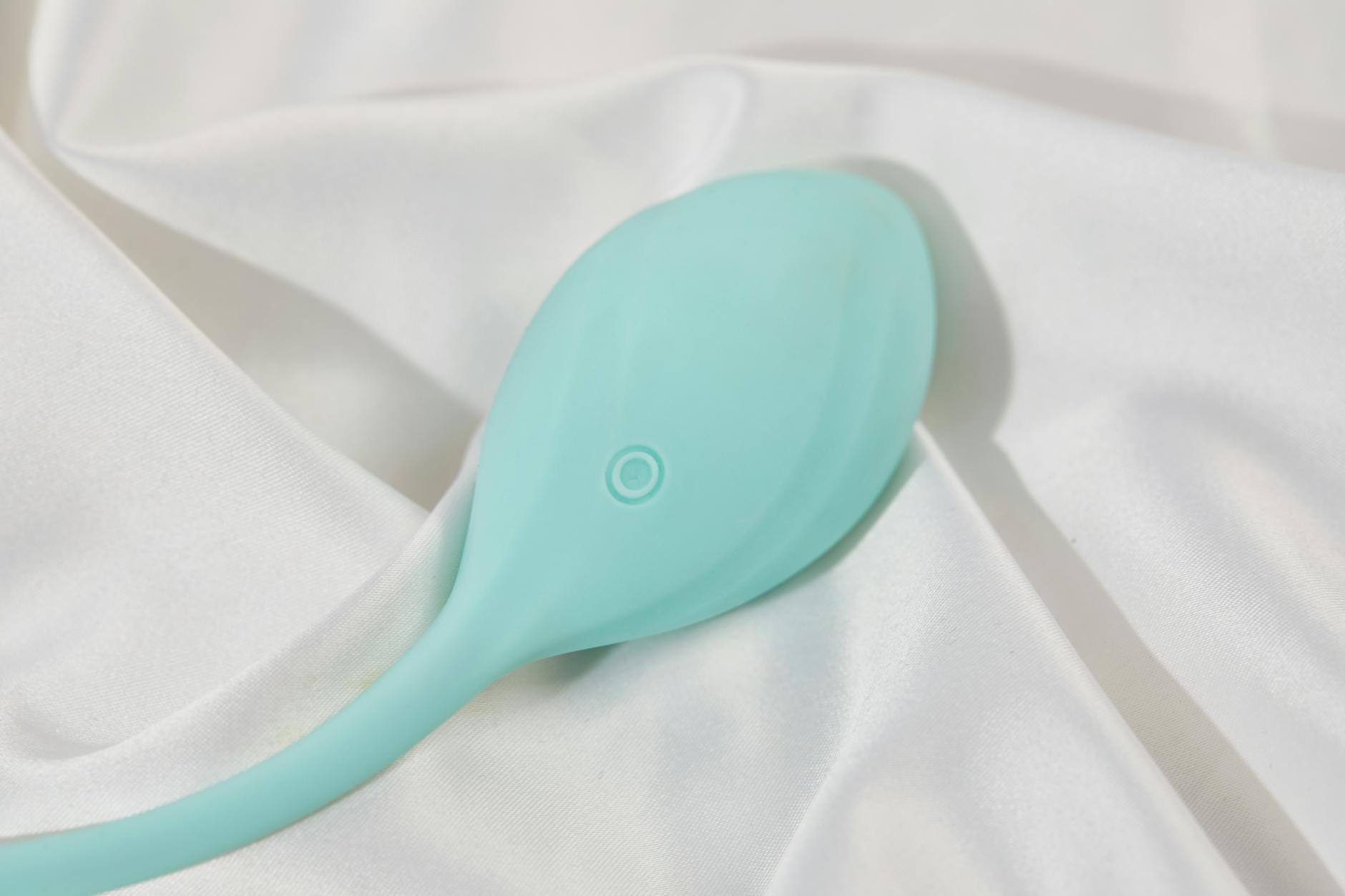
I recommend the Lem vibrator specifically for folks recovering from trauma because of its design. The suction mechanism means you're not adding pressure or aggressive vibration to tissue that might be hypersensitive from anxiety or past pain. You control the intensity with precision. You can start at setting one and stay there for weeks if you need to.
Begin in a space where you feel completely safe. Not your bedroom if that's where harm happened. Not anywhere you can hear unexpected noises. Close the door. Tell yourself you're doing this for research, not performance. Remove the pressure to orgasm.
On the first session, you're not trying to feel pleasure yet. You're trying to feel neutral. Can you touch your own vulva without shame? Can you notice sensation without fear? That's the goal.
How to rebuild arousal capacity after shutdown
Trauma often creates a gap between your mind and body. You might intellectually want to have sex again, but your body won't cooperate. Numbness, dissociation, and arousal difficulty are common survival responses.
Using a lemon clitoral vibrator is one way to bridge that gap through what therapists call "somatic awareness." You're placing your attention on physical sensation in real time, which grounds you in the present moment instead of memory.
Start by noticing temperature. The vibrator against your skin. Your breath. The feeling of your own hand. Don't chase arousal. Arousal follows safety, not the other way around.
If you find yourself dissociating during a session, stop. Name what you notice. "My mind left my body." Then ground yourself in five sensations you can see, four you can touch, three you can hear, two you can smell, and one you can taste. Then decide if you want to try again, or if today is a day to just be close to your own body without expecting more.
Setting boundaries that protect your healing
If you're with a partner, using a lemon vibrator solo is an act of reclamation. Your pleasure belongs to you first. Your partner doesn't need to be involved, doesn't need to watch, and doesn't need to be consulted.
That boundary is not rejection. It's survival. It's you saying to your nervous system: "This is mine."
When you're ready to include a partner, that's a separate conversation. You might say something like: "I'm rebuilding my relationship with my own body right now. I need time alone with that process. Later, if I want to share that with you, I'll ask." A partner who respects that boundary is showing you something important. A partner who pushes is showing you something else.
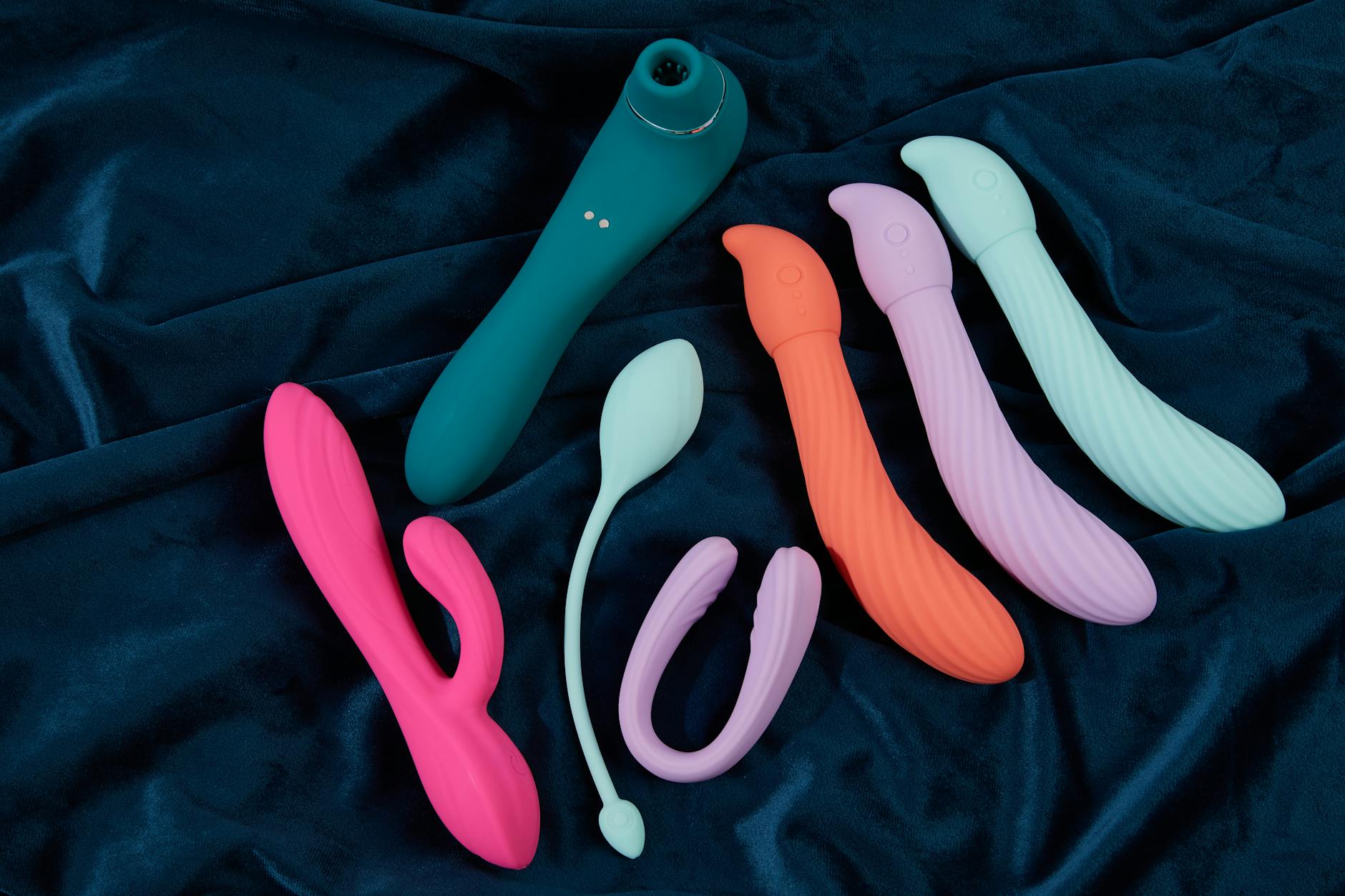
Photo by IFONNX Toys on Pexels
When you're ready to feel pleasure again
After weeks or months of neutral exploration, arousal usually returns. It might feel different than before. More fragile. Less automatic. That's normal. You're rebuilding a capacity, not recovering something unchanged.
At this stage, using a Hello Nancy lemon sucker might shift from grounding exercise to genuine pleasure seeking. Your nervous system has practiced safety. Your body might be ready to feel good again.
Take your time with intensity levels. The lem vibrator gives you nine settings for a reason. You don't need to jump to the strongest sensation. Start where you feel pleasure without overwhelm. Notice what your body responds to. Does suction feel better than vibration? Do you need a longer warm-up? Are there times of day when pleasure is more accessible?
This is detective work, and only you have the answers.
The role of patience and self-compassion
Some days, your nervous system will reactivate. You'll feel triggered. Arousal will disappear. You might feel like you've failed.
You haven't. Healing isn't linear. Trauma recovery doesn't follow a timeline. There will be sessions where using a lemon vibrator feels easy and safe. There will be sessions where touching your own body feels impossible. Both are data. Both are part of recovery.
One of the biggest mistakes I see is expecting pleasure to come back fully formed. It doesn't. It returns in moments. A single sensation that feels good. A brief period of not thinking about what happened. Ten seconds of genuine arousal. These fragments accumulate.
Your job isn't to force pleasure. It's to create conditions where your body can safely feel it.
When to seek professional support
If you're working with trauma, I'd argue that a therapist trained in trauma recovery is more important than a vibrator. EMDR, somatic experiencing, and trauma-focused CBT have strong evidence for healing. A clitoral vibrator is a tool within that larger healing framework, not a substitute for it.
If flashbacks, dissociation, or panic are severe during or after sessions with a lemon clitoral vibrator, pause solo exploration and bring this to your therapist. They can help you understand what's happening and adjust the approach.
If you're with a partner and noticing patterns like persistent pain during sex, complete loss of arousal, or panic that won't resolve, that's also worth professional attention. Sometimes what looks like trauma response is actually unresolved relationship rupture. Sometimes it's both.
FAQ: Rebuilding pleasure after trauma
Can I use a lemon vibrator if penetration has been painful or traumatic?
Clitoral vibrators bypass penetration entirely, which is one reason they're valuable for trauma recovery. You're stimulating the clitoris externally, with no intrusion into the vaginal canal. That said, if even thinking about your vulva triggers panic, start with much gentler nervous system work like breathwork or grounding exercises before introducing a vibrator. There's no rush.
How long does it take to feel pleasure again after trauma?
There's no standard timeline. Some people reconnect with arousal in weeks. Others take months or years. Your timeline is valid. What matters is consistency, not speed. Using a lemon sucker twice a week for a month will do more than occasional attempts. Patience is the actual work.
Is it wrong to use a vibrator to avoid dealing with emotional wounds?
It can be. If a clitoral vibrator is your only coping mechanism and you're not processing the trauma itself through therapy or other support, you might be numbing instead of healing. A vibrator should complement your healing work, not replace it. Think of it as one tool in a larger kit that includes therapy, body work, and time.
What if I feel ashamed about using a vibrator after trauma?
Shame about pleasure is a common aftermath of sexual violation. You might have internalized the message that your body, your desire, or your pleasure is dangerous or wrong. Using a lemon vibrator, slowly and privately, is an act of self-reclamation. You're telling yourself that your pleasure belongs to you. That's not selfish. That's survival.
Can I use a lemon vibrator with a partner if I have trauma?
Yes, but only when and if you want to. Some trauma survivors find that partner-inclusive pleasure feels safer after they've rebuilt their relationship with solo pleasure. Others never want partner involvement again, and that's equally valid. The key is that it's your choice, made from safety, not pressure.
How do I know if I'm progressing in my healing around sexuality?
Progress looks like: more moments of neutral sensation without panic, occasional genuine arousal, longer periods without intrusive thoughts during intimate moments, reduced dissociation, and increased ability to say no without guilt. It also looks like using a Hello Nancy clitoral vibrator because you want to, not because you think you should.
What healing actually looks like
Reclaiming your sexuality after trauma is not about getting back to where you were. It's about moving forward to a version of pleasure that feels authentically yours. That might mean discovering arousal patterns you never had before. It might mean needing something very different from a partner than you did in the past.
A lemon vibrator is a tool for that discovery. It's quiet, controllable, and entirely yours. When you're ready to touch your own body with something that feels good instead of painful, it's there. Your pleasure matters. Your healing matters. And you get to define what both of those look like.
If you're navigating this journey and need support beyond self-exploration, reaching out to a trauma-informed therapist or counselor is always a worthwhile step. You don't have to do this alone.