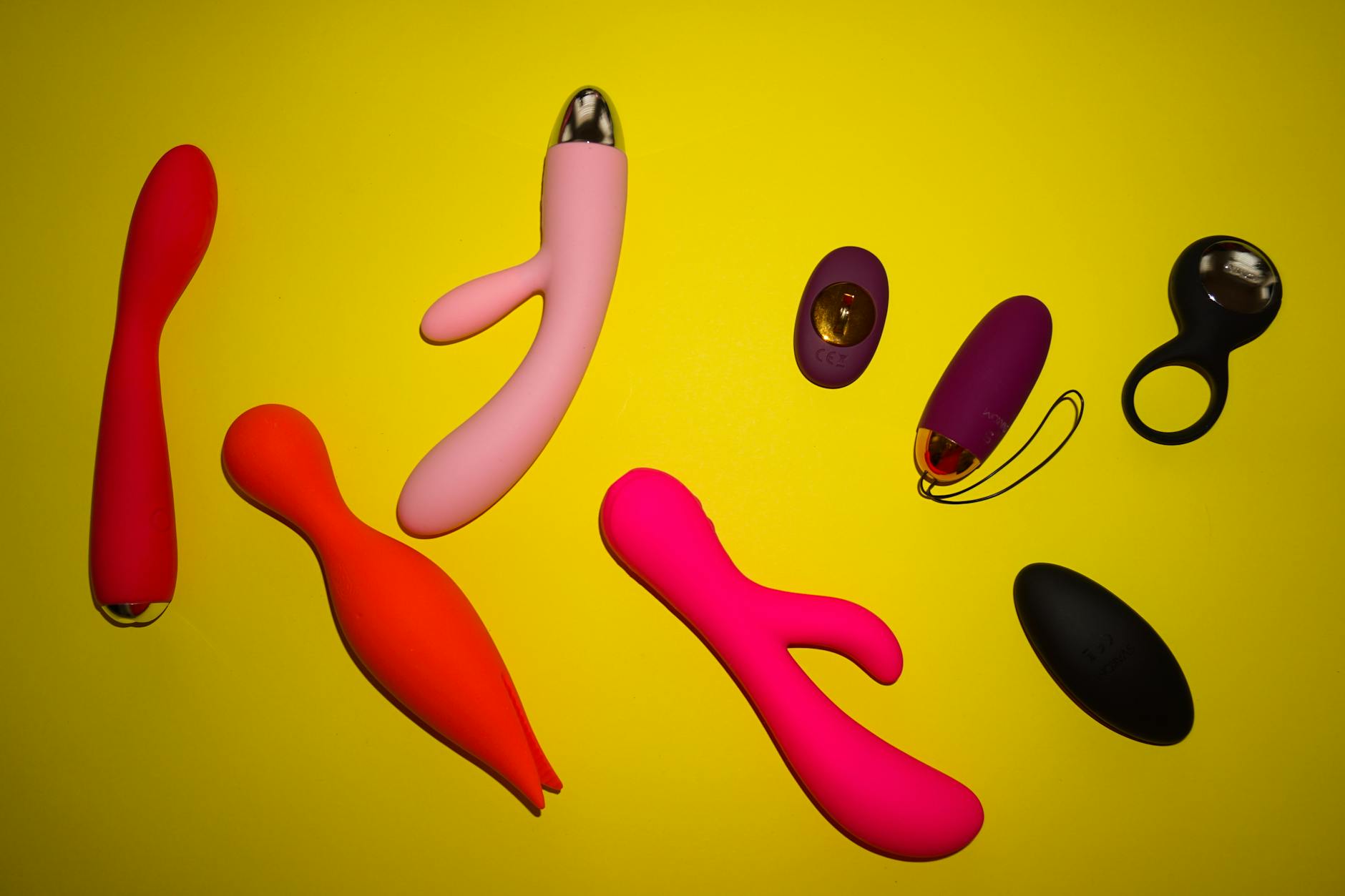
Let's talk about going numb
You've been using the same vibrator for years. Or you've been stimulating yourself the same way since your twenties. Or you switched to something new and nothing feels like much of anything anymore. That sensation of numbness, of your body not responding the way it used to, is one of the most isolating things no one talks about.
Here's what I want you to know first: desensitization is real, it's common, and it's almost always fixable. Your nerve endings aren't broken. Your capacity for pleasure hasn't disappeared. What's happened is your nervous system has adapted to a specific type of input, and it needs something different to wake back up.
What desensitization actually is
Desensitization happens when the same stimulus, delivered the same way, stops creating the same response. Your nervous system is an adaptation machine. Give it the same signal for long enough, and it turns down the volume. This isn't weakness or dysfunction. It's how adaptation works.
The most common culprit is intensity alone. High-speed, high-friction stimulation delivered the same way for months or years trains your nervous system to require that exact intensity to feel anything. Your nerve endings stop responding to gentler signals. You need more to feel less.
Other contributors include: using one toy exclusively, the same rhythm every time, numbness from anxiety or dissociation, decreased blood flow to the area, certain medications (antidepressants especially), hormonal changes, or simply being so used to one sensation that variation feels like nothing.
Why lemon clitoral vibrators work differently
Most traditional vibrators deliver their sensation through rapid oscillation. High frequency, consistent pressure. It's direct friction meeting tissue at speed. If that's what you've adapted to, more of it won't help. You need a different signal.
Lemon clitoral vibrators, including the Lem, use air-pulse or suction technology. Instead of vibrating against the clitoral tissue, they create gentle waves of suction and release. The sensation is radically different from what your nervous system has learned to tune out.
Why this matters: suction stimulation activates different nerve pathways than friction does. Your body hasn't adapted to this signal yet. Even at low settings, many people report sensation they haven't felt in years. It's not stronger, it's novel, and novelty is what desensitized nerve endings need.
Starting the reset
The most important step is taking a break from what numbed you out. I know that sounds counterintuitive when you want sensation back, but here's the mechanics: your nervous system needs to "forget" the high-input requirement before it can re-sensitize. A 2-4 week break from intense stimulation (or from masturbation altogether, if you're ready for that) gives your nerve endings a chance to reset their baseline.
During this break, you can still use a lemon clitoral vibrator at the lowest settings. Start at level 1 or 2 on the Lem. The point isn't orgasm. The point is novelty and gentleness.
Building sensation back
Once you restart, follow this progression:
Week one: Exploration mode. Lowest settings only. Move the vibrator around. Don't aim for a single spot. Spend 10-15 minutes just noticing where sensation exists. Most people find they can feel the clitoral glans clearly, but also the outer labia, the perineum, places they'd forgotten were sensitive. Your job is mapping, not climax.
Week two: Rhythm variation. Still on low settings. Try short bursts (pulse for 30 seconds, rest for 30 seconds) instead of continuous stimulation. Change where you focus. Notice if some areas wake up faster than others. Patience matters here.
Week three: Adding intention. You can move to medium settings if you want. But stay with one pattern for the full session instead of chasing intensity. The goal is depth, not speed. Many people find medium settings on a lemon sucker deliver more nuanced sensation than high settings on a traditional vibrator ever did.
Week four and beyond: Your new normal. By now, you're likely feeling things you'd forgotten. Your nervous system has adapted to a new, more varied input. You can increase intensity, but you've broken the cycle that was keeping you numb.
The brain piece (don't skip this)
Desensitization is partly neurological and partly psychological. If your desensitization came alongside stress, anxiety, relationship distance, or just running on empty, sensation won't come back until you address that too.
Honestly though, if there's a relationship involved, a conversation matters here. "I want to take a few weeks to explore differently" is different than disappearing from intimate connection entirely. Desensitization is often a solo-sex problem that affects partnered sex by spillover. Telling your partner what you're working on (without making it their problem to fix) keeps resentment from building.
If desensitization came with medication changes, a conversation with your doctor about timing or alternatives might help. Some medications numb sensation, and there are sometimes switches that don't.
When a different tool helps more
Not everyone needs a lemon vibrator. Some people need a wand. Some need lower intensity for longer durations. Some need external stimulation only, no penetration. Some need a partner's touch combined with vibration.
The principle is the same: what desensitized you was a single repeated stimulus. The cure is variation. A lemon clitoral vibrator is one tool because suction works so differently from oscillation. But if you've been using a suction toy and gone numb, a traditional vibrator at a lower frequency might be the reset you need.
Experiment. Try shorter sessions. Try different times of day. Try slower speeds for longer. Try combination stimulation. The goal is introducing variables your nervous system hasn't learned to ignore.
Red flags worth checking
If numbness came on suddenly, or if it's isolated to one side of your body, mention it to a doctor. Most desensitization is behavioral. Some can signal nerve damage, circulation issues, or hormonal shifts that deserve a professional look.
If the break and the reset don't work after 6-8 weeks, a conversation with a sex therapist who specializes in this is worth it. Desensitization sometimes signals deeper stuff: dissociation, trauma responses, or neurological factors that need specialized attention.
That's not failure. That's gathering better information.
You're not broken
Sensation comes back. Pleasure returns. The nervous system is plastic and responsive. Lots of people cycle through periods of numbness and recalibration. It's not a permanent state. It's a signal that your body is asking for something different, something new, something more varied than what it's been getting.
A lemon vibrator or any clitoral vibrator that works differently from what numbed you out is often exactly what your system needs to remember what sensation feels like. Start low. Be patient. Trust that your body knows how to feel again.
If you're ready to reset, the gentleness and novelty of a lemon clitoral vibrator might be the jolt your nervous system needs. And if you want support while you're working through this, get in touch. You're not alone in this, and you're definitely not broken.
FAQ
How long does it take for numbness to go away?
Most people notice some return of sensation within 2-3 weeks of taking a break and switching to a different stimulation style. Full re-sensitization typically takes 4-8 weeks depending on how long you'd been desensitized. The longer you've been numb, the longer the reset usually takes. Patience is the hardest part, but it works.
Can I still have an orgasm while resetting?
Yes, but chase sensation first and orgasm second during the reset period. If you focus on climax during the reset, you'll fall back into the intensity chase and skip the novelty your nervous system needs. Let orgasms happen if they come, but don't make them the goal. The goal is feeling anything.
Does desensitization mean my nerve endings are damaged?
No. Nerve damage causes loss of sensation that doesn't return. Desensitization is adaptation, and adaptation is reversible. Your nerve endings are fine. They're just used to a specific input and tuned out of everything else. A different stimulus wakes them back up. This is fixable.
Why does suction feel different from vibration?
Vibration creates rapid oscillation against tissue. Suction creates gentle waves of pressure change and release. These activate different neural pathways. If you've adapted to vibration, your nervous system hasn't learned to tune out suction yet. That novelty is what allows re-sensitization. The two sensations feel categorically different to most bodies, which is why switching types of stimulation often works.
What if my partner wants sex while I'm taking a break?
You can still have partnered sex. The break is about not using intense solo stimulation. Partnered intimacy is different and often re-sensitizes faster than solo play because it includes psychological and emotional components solo stimulation doesn't. You can explain it as, "I'm resetting my sensitivity, so I need some lower-intensity time," and most partners understand that's actually more sustainable long-term.
Is desensitization permanent if I don't fix it?
No. It can feel permanent while you're in it, but your nervous system is always adapting. If you switch stimulation types or take a break and then restart with variation, re-sensitization happens naturally. The longer you stay with the same input, the more adapted you become, so changing it soon is better than years from now. But even years from now, a real change in approach would work.