Let's name what's actually happening
Pain during sex is not a personal failure. It's not something you caused. And it absolutely does not mean you're broken or that your body is wrong. But here's what doesn't help: pushing through, hoping it gets better on its own, or pretending it's fine when it isn't.
Pain is information. Your body is telling you something needs to change. The question is what.
Why vibrators feel different when penetration hurts
When penetration causes pain, your nervous system tightens. The pelvic floor contracts defensively. Muscles that are supposed to relax get stuck in guard mode. Penetration then feels worse, which makes you tense more, which makes it hurt more. It's a loop.
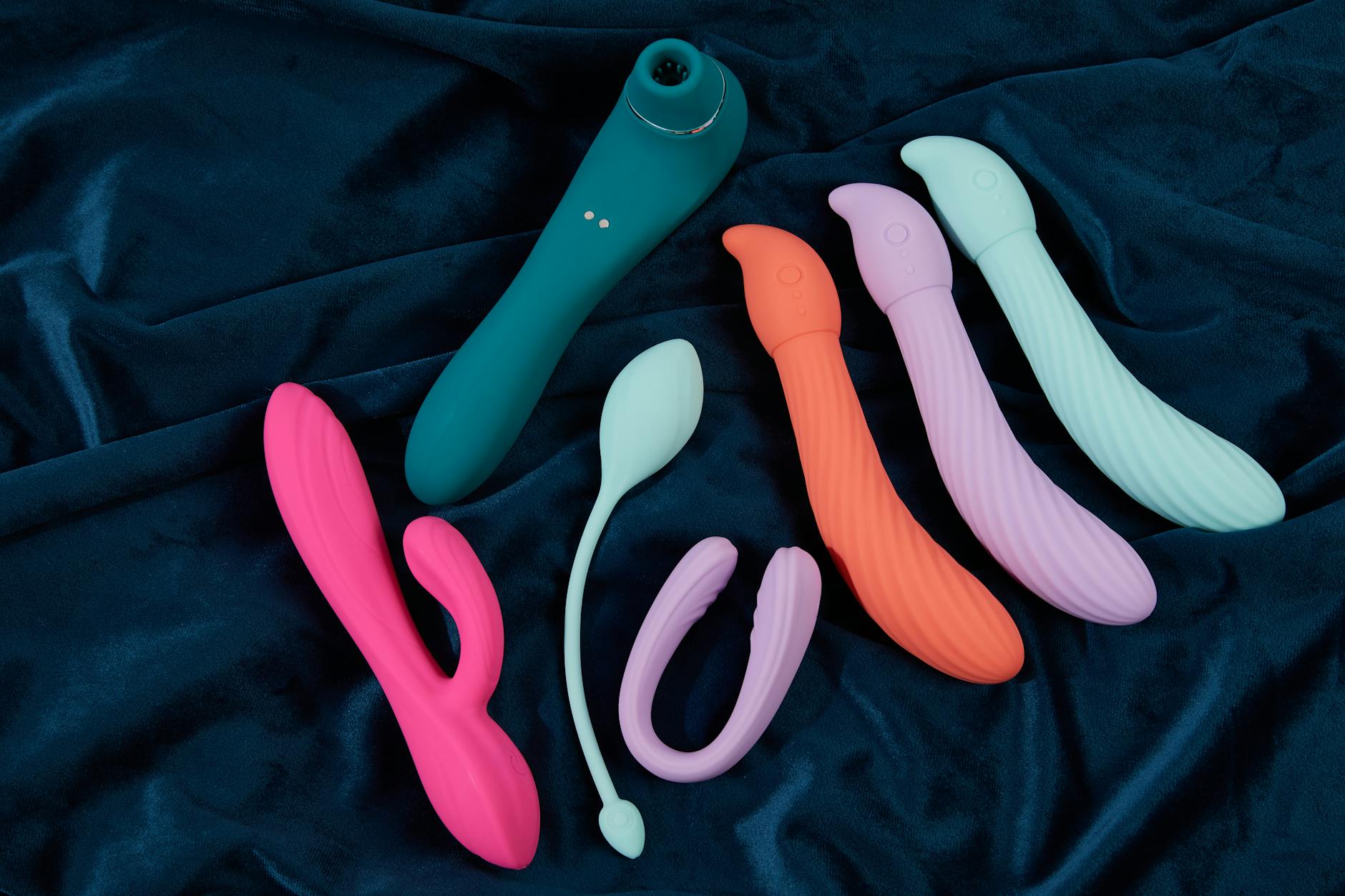
Clitoral vibrators like the Lem work around this loop entirely. They stimulate the external clitoris, which has thousands of nerve endings but requires zero penetration. The suction technology doesn't rely on friction or pressure the way traditional vibrators do. For someone with pain, this matters because you're getting stimulation without the mechanical stress on tender tissue.
The air-suction design of lemon clitoral vibrators means you can control intensity through patterns instead of force. Pattern 1 is gentle. Pattern 8 is intense. You're never relying on deep pressure to feel something.
Different pain, different solutions
Not all pain is the same, and neither are the fixes.
Vaginal pain during penetration (dyspareunia). This is the most common complaint. The cause could be muscular tension, insufficient lubrication, vulvovaginitis, endometriosis, vulvodynia, or sometimes just anxiety about pain itself. A clitoral vibrator sidesteps penetration entirely while you figure out the root cause. You still get pleasure. You still get orgasms. Nothing is lost.
Pain on the vulva itself. If touching the vulva or vulva area causes burning, stinging, or throbbing, you might have vulvodynia or another condition affecting the vulvar nerves. Here, the key is gentler stimulation. The suction action of a lemon vibrator is less abrasive than a standard vibrator because it's lifting tissue rather than pressing it.
Pain during or after orgasm. Sometimes the clitoral area feels sore after coming, or cramping happens during orgasm. This might be pelvic floor dysfunction (muscles contracting too hard) or nerve sensitivity. Starting at lower intensity patterns and taking longer warm-up time often helps your body learn that pleasure doesn't have to hurt.
Pain from scarring or medical history. If you've had surgery, trauma, or procedure-related scarring, penetration might feel tight or raw. Clitoral stimulation bypasses the scarred tissue entirely while you work with a pelvic floor specialist if needed.
How to actually use a Lem when touch feels tender
Four practical steps.
Start at pattern 1. Not pattern 3 because you're impatient. Not pattern 2 because you think pattern 1 is "boring." Pattern 1. The whole point is to build confidence that pleasure doesn't have to hurt. Boring right now beats pain later.
Use plenty of lubricant. Even though the Lem is clitoral and doesn't involve penetration, lubrication changes how the suction feels against sensitive skin. Water-based lube reduces friction. Silicone lube feels richer but can degrade silicone toys. Stick with water-based.
Take 20-30 minutes for warm-up. When your nervous system is in pain mode, it takes longer for arousal to build. Don't rush. Touch other parts of your body first. Use your hands. Maybe use the Lem on lower intensity for longer before you go up. The goal is to let your brain catch up to the idea that pleasure is coming, not pain.
Notice what feels okay. Pain isn't binary. Some touch might feel neutral, some tender but okay, some good. Pay attention to what's in the "okay" or "good" zone and start there. You're training your nervous system to associate touch with safety, not threat.
When lubrication itself is the problem
Sometimes pain happens because the vagina isn't making enough lubrication naturally. This could be hormonal (birth control, menopause, certain medications), stress-related, or just how your body works. Clitoral vibrators don't require the same amount of internal lubrication that penetration does, but you'll still want external lube if the vulva feels dry or tender.
Here's the thing: adding lube is not admitting defeat. It's addressing the actual problem. Water-based lubes designed for sensitive skin are your friend. Hyaluronic acid lubes feel less sticky. Coconut oil (non-sexually transmitted) works for some people, though it can break down latex if you ever use condoms.
The Lem is compatible with water-based lube, so you can refresh as needed without worrying about degrading the toy.
The pelvic floor connection nobody talks about
Here's a secret that changes everything: most pain during sex involves pelvic floor dysfunction. The muscles around the vagina and lower pelvis get tight, either from pain, anxiety, or habit. When someone says "it always hurts," there's usually muscular guarding underneath.
Clitoral stimulation with a lemon vibrator actually helps retrain your pelvic floor in a good way. You're experiencing pleasure without the threat of penetration, so your muscles gradually learn to relax instead of clench. This is especially useful if you're working with a pelvic floor physical therapist, because the Lem gives you something to practice with between sessions.
If you want to go deeper, ask your doctor for a pelvic floor PT referral. These specialists teach you how to actually relax those muscles. Combined with a vibrator and patience, this often transforms pain completely.
The emotional side that's just as real
Pain creates psychological layers on top of the physical ones. After a few experiences of painful sex, you might develop anxiety about sex happening at all. Your partner might withdraw because they don't want to hurt you. Intimacy shrinks. And then pain becomes this ghost in the room that nobody wants to acknowledge.
Using a clitoral vibrator like the Lem when penetrative sex is painful does something crucial: it proves that pleasure is still possible. You can still come. You can still feel good. Sex doesn't have to be the one specific thing that hurt before.
If you have a partner, this is worth discussing directly. "My body feels pain with penetration right now, but I still want pleasure and intimacy. Using a clitoral vibrator helps me access that without triggering pain." That's not a compromise. That's a solution.
When you actually need a doctor
Don't tough it out alone. If pain is consistent, sharp, burning, or cramping, see a gynecologist. Conditions like endometriosis, vulvodynia, vaginismus, and infections are real and treatable. A good doctor will:
- Take your pain seriously without dismissing it as anxiety
- Order tests if appropriate
- Refer you to a pelvic floor specialist
- Discuss medication options if needed
- Never pressure you into painful sex
In the UK and Australia, your GP can refer you to specialized pain clinics. In the US, ask specifically for a "vulvovaginal pain specialist" or "pelvic floor physical therapist." These exist. Use them.
A clitoral vibrator is a helpful tool, not a replacement for medical evaluation. Use both.
FAQ: Pain, pleasure, and lemon vibrators
Does using a vibrator when you have pain make the pain worse?
No, not when you use it correctly. The issue happens when you use high intensity on sensitive tissue, or when you use it with the expectation that it "should" feel a certain way. A clitoral vibrator at low intensity, with proper lubrication, and without pressure to perform usually feels relieving instead. Your nervous system gets to experience pleasure without triggering the pain response.
Can I use a lemon vibrator if I have vulvodynia?
Often yes, but carefully. Vulvodynia (chronic vulvar pain) varies widely person to person. Some people find gentle clitoral suction helpful. Others find any touch triggering. Start at pattern 1 with extra lubrication. If it feels worse, stop. Vulvodynia is best managed with a pelvic floor PT who specializes in pain conditions. They can guide you on vibrator use.
What's the difference between pain and intensity I don't like?
Pain feels bad in a way that makes you want to stop immediately. Intensity you don't like just feels less pleasant. If pattern 3 feels too much but pattern 1 feels good, you're fine. If pattern 1 feels like a sharp or burning sensation, that's pain, and you should stop and investigate.
Should I tell my partner about pain before or during sex?
Before and during. "I'm experiencing pain when we do this, so we're going to try something different" opens a conversation instead of creating shame. Using a clitoral vibrator is that "something different." Frame it as "this feels better for my body right now" rather than "this is because you're doing something wrong." Most partners feel relieved to have a solution.
How long does it usually take for pain to improve?
It depends on the cause. Muscular tension can shift in weeks with consistent gentle stimulation and possibly pelvic floor PT. Hormonal changes might take months to address. Conditions like endometriosis need medical treatment alongside pleasure work. Two months of consistent gentle use is usually enough to notice whether a clitoral vibrator helps your particular situation.
Is it normal to feel nothing even with a vibrator?
Numbing can happen if your nervous system is in defense mode or if you're dissociating because of pain history. This is not a failure. It's a sign that you might benefit from working with a therapist or somatic practitioner alongside the medical and PT work. Your body is protecting you. Healing takes time.
The actual takeaway
Pain during sex doesn't mean you have to stop having pleasure. It means you need a different route to get there. A clitoral vibrator removes penetration from the equation entirely. It lets you experience orgasm and arousal without the thing that's causing hurt. That's not settling. That's smart.
Start low. Use lube. Give it time. And if nothing changes after a few months, or if pain is severe, see a specialist. Your pleasure matters. Your comfort matters. Both can be true at the same time.