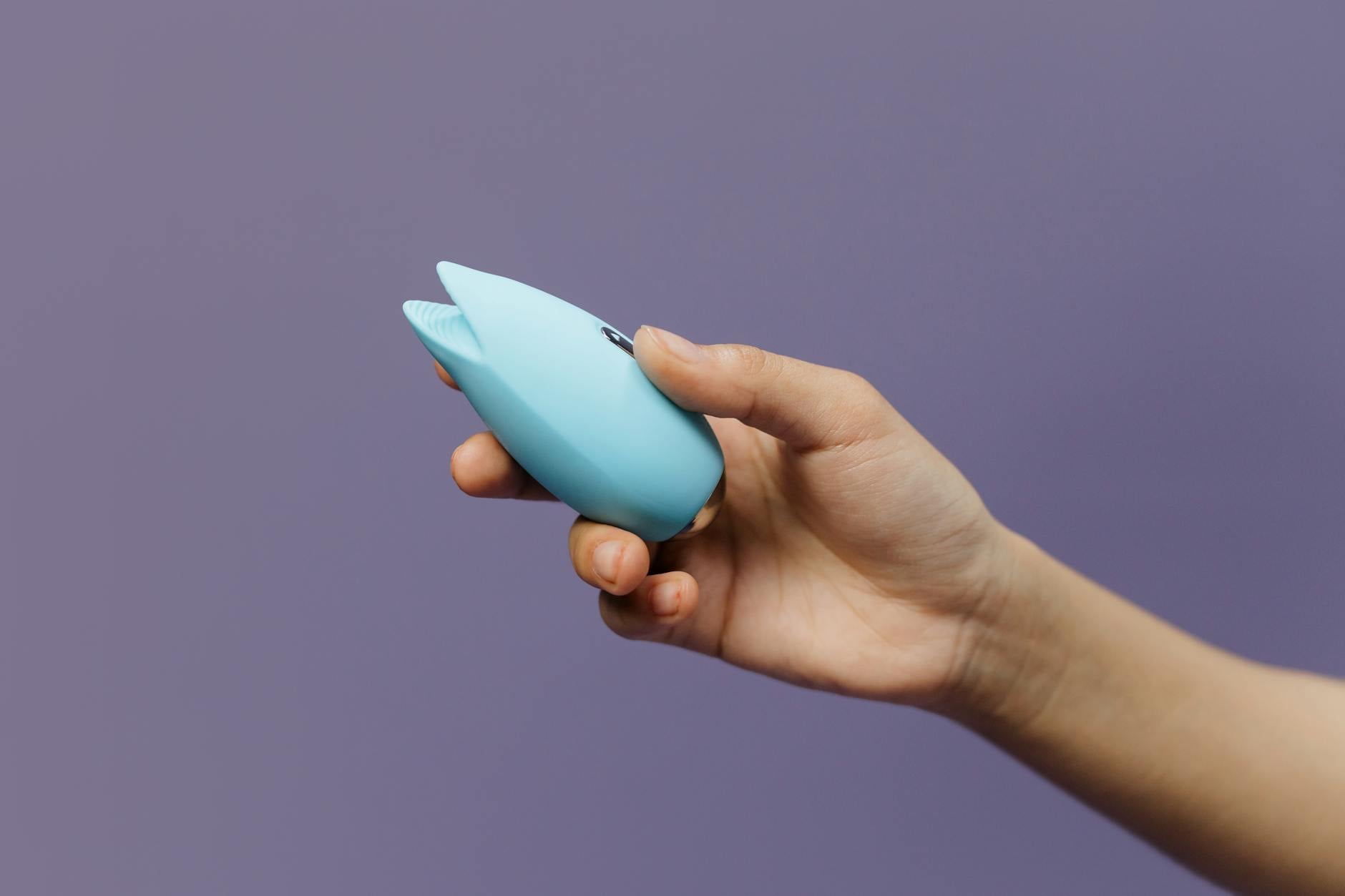
Tenderness isn't a stop sign. It's information.
Sometetal vulva sensitivity happens. Maybe you've had a lot of sex recently. Maybe you're dealing with irritation from friction, a yeast infection clearing up, or just the random inflammation that shows up sometimes. The instinct is usually to wait it out in silence, avoid touch entirely, and assume pleasure is off the table until everything heals.
Honestly? That's not how it has to work. Tenderness and pleasure aren't opposites. They can coexist when you know how to approach your lemon vibrator differently. The key is understanding the difference between healing and avoiding.
When your vulva is telling you it needs attention
First, let's be clear about what we're talking about. Sensitive or tender vulva tissue falls into a few buckets:
Raw or chafed skin from friction, clothing, or recent activity. It looks red, feels tender to the touch, and usually improves within a few days.
Inflammation from yeast or bacterial irritation. This often comes with itching, burning during urination, or a change in discharge. It needs treatment, but pleasure doesn't have to pause while you're treating it.
Post-procedure sensitivity after waxing, laser, or dermatological work. Your tissue is temporarily more reactive than usual.
General reactive skin that's always a bit easily irritated. Some people's vulvas just respond more dramatically to friction, products, or stimulation.
With all of these, a lemon vibrator's suction-based stimulation can actually be gentler than other tools because it distributes pressure across a wider area instead of concentrating intense friction in one spot. The Lem's design means you're not dragging anything across tender tissue. You're creating rhythmic suction, which feels completely different.
The prep work matters more when tissue is sensitive
When your vulva is tender, the warm-up becomes everything. Most people don't spend enough time on arousal anyway, but sensitivity demands it.
Budget 20-30 minutes before you even think about using a lemon vibrator. Start with non-genital touch. Kiss your partner if you're with someone. Touch your neck, your inner thighs, your breasts. Let your nervous system settle into arousal mode before you bring direct attention to the vulva.
When you do introduce genital touch, make it incredibly light at first. If you're using your hands or your partner's hands, use only fingertips and move slowly. The goal here isn't stimulation yet. It's assessment and gentle awakening of sensation.
You'll notice the difference between touch that makes tissue feel irritated and touch that feels okay. Honor that feedback. If something stings or burns, pause that area. Tenderness often has geography. Maybe the outer labia feel fine but the clitoral area needs more time. Maybe the left side is reactive but the right side is ready. Notice what your body is actually telling you instead of assuming all of it is off-limits.
How to actually use a lemon clitoral vibrator on sensitive tissue
When you do use your Lem or other lemon sexual toy, these adjustments make a real difference:
Start at the lowest setting. This is non-negotiable. On a Lem, that's pattern 1 or 2. You can always turn it up. You can't undo overstimulation in the moment.
Increase your lubrication. Water-based lubricant is your friend when tissue is tender. It reduces friction, creates a smooth surface, and actually helps the suction feel more comfortable. Use more than you think you need. Reapply as it absorbs.
Don't go directly to the most sensitive area. If your clitoris feels raw, start with your outer labia or the side of the clitoral hood. Let the gentler vibration and suction wake up surrounding tissue first. You can always work inward. Many people find that starting one inch away from the most tender spot and moving in slowly actually feels better than touching the tender area directly.
Use shorter sessions. Instead of 20 minutes of continuous stimulation, try three to five minute sessions with breaks. This gives your tissue time to adjust and prevents the kind of repetitive-use tenderness that can extend sensitivity.
Pause if it burns or stings. Tingling is often fine. Arousal can feel buzzy and intense. But actual burning or sharp pain is your body saying "stop." Listen. You're not failing at pleasure if you need to pause. You're being smart.
When to involve your partner (and what to tell them)
If you're navigating sensitive tissue with someone else, the conversation matters. Partners often panic. They worry they'll hurt you, or they worry you're not actually interested in them, or they shut down sexual connection entirely because they don't know what's okay.
None of that serves anyone. You could say something like: "My vulva is a bit tender right now, but I still want to explore pleasure together. I'd like to use my lemon vibrator, but I'm going to need to go slower and gentler than usual. Can you help me warm up first?"
That's honest. It includes them. It tells them what you need without making them responsible for your healing.
Many partners find that slowing down and using a lemon clitoral vibrator together actually deepens the experience. They get to watch. They get to participate in a way that doesn't require them to guess what your body needs. It's hotter for a lot of people once they get over the idea that "real sex" has to look a certain way.
The products that help sensitive tissue
Beyond your lemon vibrator itself, a few things genuinely help.
A good water-based lubricant. This is non-negotiable. Even if you lubricate naturally, adding external lube when tissue is tender is smart. It protects the skin and makes sensation feel smoother.
A gentle cleanser. Afterward, rinse with warm water. Some people use a fragrance-free intimate wash. Keep it simple. Nothing with fragrance, essential oils, or alcohol will do you any favors when your tissue is already reactive.
Ice or cooling relief. If you do experience irritation after, a clean ice pack wrapped in a thin cloth can feel amazing. Five to ten minutes can reduce inflammation and numb mild discomfort.
A barrier cream if irritation persists. Zinc oxide or similar protective creams help if you're dealing with chafing or continued friction irritation. Apply before clothing, not before sex.
When to actually pause and see someone
Here's the line: if tenderness lasts more than a week, gets worse instead of better, or comes with fever, unusual discharge, or intense pain, see a gynecologist. That's not a failure. That's being responsible about your health.
Genitourinary syndrome of menopause (GSM), lichen sclerosus, and other conditions can cause persistent sensitivity. They're treatable. But they need actual medical evaluation, not just a different vibrator technique.
If you're in recovery from trauma and tenderness is tied to that, a trauma-informed therapist or sex therapist can help you reconnect with your body in ways that honor your history. A lemon vibrator can be part of that work, but the therapy is the foundation.
And if you're dealing with recurring yeast infections or bacterial irritation, that's absolutely worth talking to a healthcare provider about. Sometimes the solution is as simple as a change in lubricant or a different approach to aftercare. Sometimes it's something that needs treatment.
The point: sensitivity isn't shameful, and it doesn't mean you're broken. It means your body is communicating. Your job is to listen, adjust, and when necessary, ask for help.
FAQ: Sensitive tissue and lemon vibrators
Can I use a lemon vibrator if my vulva is actively inflamed?
If you mean red, swollen, burning during urination, or otherwise acutely uncomfortable, I'd recommend waiting until the acute inflammation calms down. That usually takes three to seven days with proper care. Light external stimulation with a partner's hand or your own might feel okay during that time, but introducing vibration to actively inflamed tissue can extend the healing window. Once the acute phase passes and things feel more manageable, a gentle approach with a lemon clitoral vibrator is often fine.
Does a suction vibrator like the Lem hurt more than a regular vibrator when you're sensitive?
Actually, the opposite. Most people with sensitive vulvas report that suction feels gentler than direct vibration because the pressure distributes across a wider area. Instead of a focused vibrating point, you're getting rhythmic suction. That said, individual bodies are different. If you've never tried a lemon sucker before and you're dealing with sensitivity, start at the absolute lowest setting and go slowly.
How much lubrication do I actually need when my vulva is tender?
More than feels intuitive. A quarter-sized dollop is your baseline. Reapply every three to five minutes during use. The idea is that you want a consistent, slippery surface between your vibrator and your skin. No friction is the goal. Some people find silicone lube feels less sticky and more protective than water-based, but silicone damages silicone toys, so if you're using a Lem or other silicone lemon sexual toy, stick with water-based.
Can using a lemon vibrator when I'm sensitive actually help healing?
In some cases, yes. Gentle stimulation can increase blood flow to the area, which supports healing. But the key word is gentle. And it only works if the stimulation doesn't cause new irritation. If you try it and it makes things feel worse, stop. Your body will tell you. Listen to it.
Should I tell my partner my vulva is sensitive, or is that awkward?
Tell them. Not from a place of shame or apology. From a place of information. "My vulva feels tender right now. I still want to be intimate with you. Here's what would feel good." Most partners actually appreciate the clarity. It takes the guesswork out of sex and makes it easier for both of you to enjoy what you're doing.
How long should I wait after sensitivity appears before using my lemon vibrator?
That depends on what caused the sensitivity. After a yeast infection clears, a few days is usually fine. After waxing, five to seven days. After regular chafing, two to three days. After pelvic procedures, follow your doctor's timeline. When in doubt, wait until touch doesn't hurt. Then wait another 24 hours. Your vulva will thank you.
Your body knows what it needs. Trust it.
Sensitivity is temporary. Tenderness fades. And pleasure doesn't have to pause while you're healing. Using a lemon vibrator when your vulva needs care is absolutely possible. It just looks different from what you might expect. Slower. Gentler. More attentive. For a lot of people, that's actually better anyway.
If you're dealing with persistent or worsening sensitivity, reach out to your healthcare provider or a sex-positive therapist. You deserve support that matches what your body is actually experiencing. And if you want to talk through how to use lemon sexual toys as part of your pleasure practice, we're here to help. Get in touch.