
The conversation nobody wants to have
You want to use a vibrator. Your partner thinks vibrators mean they're not enough. You haven't said that out loud, but you're both thinking it. So nothing happens. You stay stuck.
This is the most common impasse I see in my practice. It's not actually about the toy. It's about what the toy represents to someone who's been taught that their worth depends on being the sole source of their partner's pleasure.
Why partners resist (and it's rarely what you think)
When someone says "I don't like the idea of vibrators," they're usually protecting something underneath.
The surface resistance might look like:
- "It's not natural." (Translation: "I'm scared of being replaced.")
- "We don't need it." (Translation: "If you need it, that means I'm failing.")
- "It takes away from us." (Translation: "Sex with just me isn't good enough anymore.")
None of these are actually about the vibrator. They're about adequacy, performance pressure, and the lie that good partnered sex means both people reach orgasm from the same single activity in the same amount of time.
The research is consistent: couples who use toys together report higher satisfaction and more frequent sex. But that data doesn't help when your partner is in survival mode, feeling inadequate.
Before you buy anything, have this conversation
Pick a time that is not during or near sex. Ideally neutral territory, a quiet moment over coffee or a walk. Not in bed. Not right after you didn't come.
Start with what's true for you: "I've been wanting to explore using a vibrator together, and I know you have some feelings about that. I want to understand what's underneath the resistance, because I don't think it's really about the toy."
Then stop. Let them answer. Don't defend. Don't explain. Just listen.
Most of the time, what comes out is: "I feel like I'm not enough for you." Or: "What if you prefer it to me?" Or even: "I don't know how I'd feel watching that."
These are real vulnerabilities. Treat them that way.
The reframe that changes everything
Once you've heard what's underneath, you can actually address it. And the reframe is simple:
"A vibrator is not a replacement for you. It's a different kind of input. You can't create emotional connection with a vibrator. You can't have a conversation with it. It can't respond to me the way you do. What it can do is help my body respond faster to stimulation, which actually means more pleasure for both of us, because I'm more relaxed and present. And that's something we get to explore together."
Then you add the part that matters: "I want to use it with you, not instead of you. That's the whole point."
You're not asking for permission. You're inviting them into something that benefits the relationship. There's a difference.
How to actually introduce a lemon vibrator (the logistics)
If your partner is warming up but still uncertain, the introduction matters.
Don't ambush them. Don't surprise them with it mid-sex. Pick a moment when you're both clothed and calm, and say something like: "I got this, and I want to show it to you. No pressure. I just want you to know what it looks like and how it works before we ever use it together."
Then show them. A lemon clitoral vibrator like the Lem is quiet, discreet, and designed specifically for external stimulation. Hold it. Let them hold it. Explain the patterns. Let them hear it on different speeds. Remove the mystery.
Many partners are surprised by how small and elegant it is. There's less weirdness once it's just an object they can see and understand.
Bringing it into partnered sex (three approaches)
Approach 1: Use it on yourself while they're inside you. This is lower pressure for a resistant partner because you're not asking them to use it on you, and they can still feel involved. Many partners find this genuinely exciting once they experience it, because they feel the effects in real time.
Approach 2: They use it on you while you're together. This can feel more intimate to some partners because it's collaborative. "Would you want to try using it on me?" is a gentler ask than "I'm going to use this vibrator now."
Approach 3: Start with solo use they can watch. Some partners need to see that you're still enjoying it in a grounded, present way before they're comfortable being part of it. That's fine. They're learning.
What to do if they still resist
Sometimes you have the conversation, you reframe, you introduce the toy, and they still say no.
At that point, you need to make a choice. You can use it solo (and that's completely valid). You can set a boundary about the relationship itself. You can try couples therapy to work through the deeper inadequacy stuff. But you can't force acceptance through patience or the right argument.
Honestly? If your partner refuses to engage with something that genuinely enhances your pleasure, that's information about the relationship. It doesn't have to be a dealbreaker, but it's worth examining why their comfort with their own insecurity matters more than your pleasure.
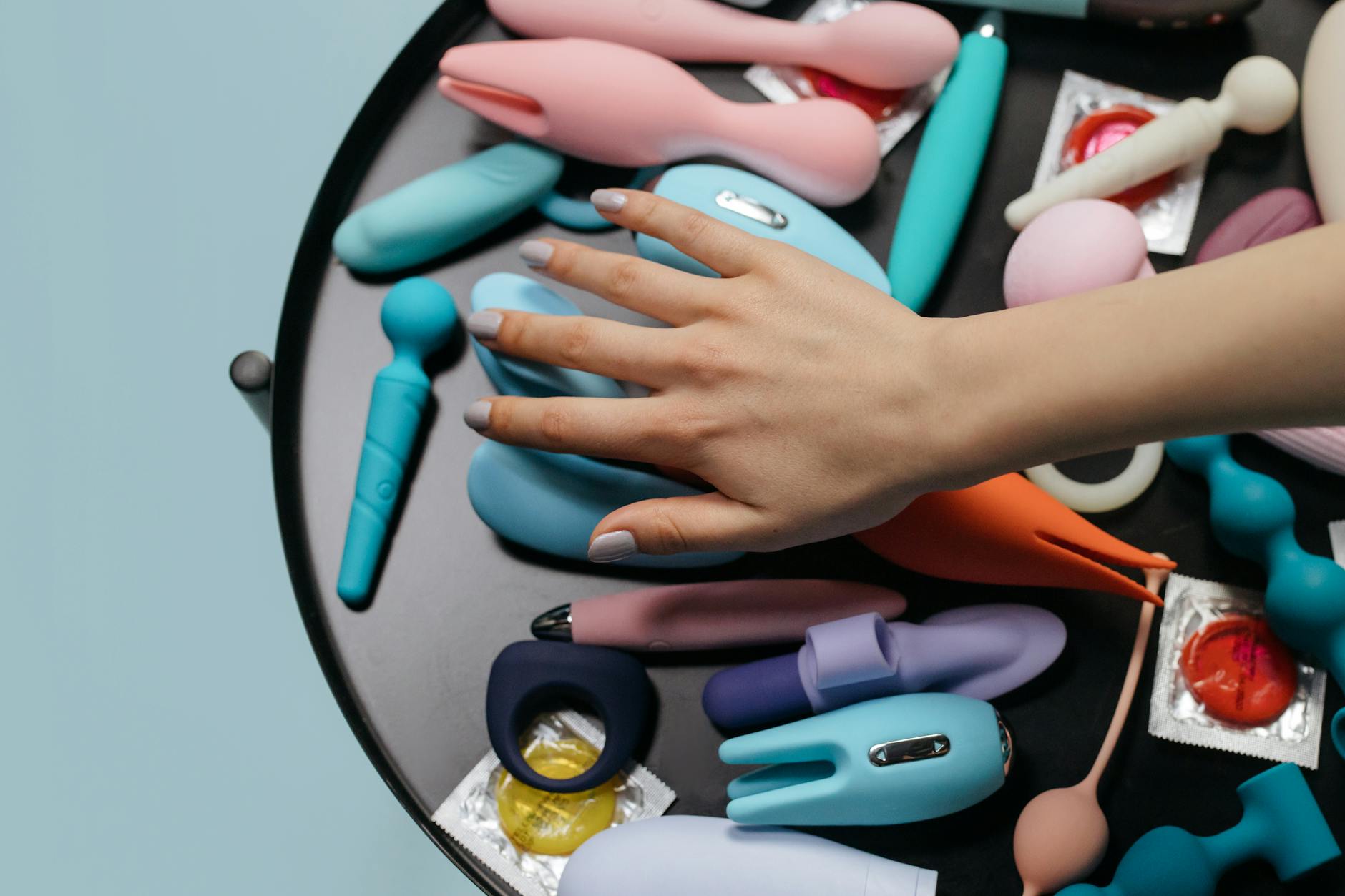
Photo by cottonbro studio on Pexels
The data that actually matters to partners
If your partner is the data-driven type, these help:
- Studies from Indiana University show that partnered use of vibrators is correlated with better orgasm rates for all partners involved, not worse.
- Couples who communicate openly about sexual preferences (including toy use) report higher relationship satisfaction overall.
- Vibrators expand arousal, not replace it. You're not choosing the toy over your partner; you're expanding what both of you can experience together.
But also. Data doesn't heal insecurity. Only conversation, time, and experiencing it together does.
The part nobody tells you
Once your partner gets past the initial resistance and actually experiences using a lemon clitoral vibrator together, something shifts. Many of my clients report that their partners became way more interested in exploring toys after that first time, because they felt the difference in their partner's pleasure firsthand.
It's less intimidating than they thought. It actually brought them closer, not further apart. And suddenly they're the ones asking about patterns and intensity, because they're invested in the experience.
This happens more often than you'd think.
What if they're willing but anxious the first time
Set expectations clearly: "I might look different when I'm really turned on with this. I might get there faster. That's not because I'm checking out, it's because my body is responding strongly. And I want you there with me while it's happening."
Keep communication open during. Simple check-ins. "This feels amazing" or "I love that you're here" can help ground both of you.
And afterward, talk about it. Not as feedback or critique. Just as information gathering: "What was that like for you? What felt good? What made you uncomfortable?" You're building a feedback loop, not a performance review.
The long game
Introducing a lemon vibrator when your partner is resistant isn't about winning an argument. It's about slowly proving that your pleasure and their adequacy are not in competition. That toys are a tool for connection, not a threat to it. That you can trust each other with wanting more, without more meaning less.
If you need help navigating the deeper relationship stuff underneath the resistance, that's what partners like me are for. But often, the toy itself becomes a metaphor for something bigger: learning to talk about what you want, learning to receive your partner's pleasure without making it about your own worth, learning that intimacy expands when you're both willing to explore together.
A lemon clitoral vibrator is just the vehicle. The real work is the conversation.
People also ask
How do I know if introducing a vibrator will hurt my relationship?
It won't hurt a healthy relationship. What it might do is expose existing communication issues or insecurity that was already there. That's not the vibrator's fault. If your partner is secure in the relationship and willing to talk, you can work through the resistance. If they're defensive and won't engage in the conversation at all, that's information about something bigger than the toy.
What if my partner wants to use it but I'm the one who feels awkward?
That's completely normal. You might feel exposed, or worried about being perceived a certain way, or just unfamiliar with it. Start slow. You don't have to go from zero to full integration in one night. Use it solo first if that helps. Let yourself get comfortable with the sensations before adding a partner into it. And definitely talk about what's making you awkward, because they're probably assuming the worst.
Can I use a lemon vibrator solo even if my partner doesn't want to be involved?
Absolutely. Your pleasure doesn't require their permission or participation. That said, there's a difference between "I want solo time with my vibrator" and "I'm using it because I've given up on partnered pleasure with you." One is healthy autonomy. The other might signal a deeper disconnection worth addressing.
What if my partner says they'll "allow" me to use it but acts resentful?
That's not consent. That's weaponized compliance. Resentment will poison the experience and the relationship. If they agree but with strings attached or passive-aggressive behavior afterward, the conversation needs to go deeper. You might need a couples therapist to help untangle what's really going on.
How do I bring up vibrators without my partner thinking I'm unhappy with our sex life?
Lead with curiosity, not complaint. "I've been interested in exploring different ways to experience pleasure together. I think it could be fun for us to try" lands differently than "Our sex isn't working for me anymore." You're inviting expansion, not criticizing what exists. The framing matters.
Is there a less confrontational way to introduce this if my partner is really resistant?
Yes. Start with an article or a podcast about couples and toys. Share it casually. Let them read it without pressure. Sometimes hearing from someone else that this is normal and healthy is easier than hearing it from their partner who might be perceived as having a stake in the outcome. It plants a seed. Then you can revisit the conversation once they've had time to think about it.
The bottom line
Using a lemon vibrator with a partner who's resistant isn't about convincing them you're right. It's about creating enough safety and communication that they can move past their fear. Sometimes they do. Sometimes they don't. But the conversation itself is the real tool, and it works better than any toy ever could.