Let's start with what's actually happening
Depression flattens everything. Pleasure, desire, even the capacity to imagine wanting something tomorrow. When your sex drive disappears during depression, it's not laziness or lost attraction. It's your nervous system pulling resources to survive. The clinical term is anhedonia. What it feels like is nothing.
Then one day, something shifts. A small spark. Maybe it's curiosity, maybe it's your body waking up before your mind catches on, maybe it's just Thursday. Whatever it is, you notice a flicker of desire and it feels both like a gift and a little terrifying.
This moment matters more than you might think. How you approach that returning desire shapes whether it builds or collapses back into numbness.
Why the return of desire isn't straightforward
Here's what happens in the body during depression: your dopamine, serotonin, and testosterone all drop. Cortisol stays elevated. Your nervous system is in a perpetual state of conserving energy. Sex, from a survival standpoint, is a luxury. So your brain turns off the signals.
When medication helps, or when the depression loosens its grip, those neurotransmitters don't come roaring back all at once. They creep back in. Your body remembers what pleasure felt like, but the pathways aren't quite open yet. It's like your nervous system is cautiously reopening a door it slammed shut.
This is why rushing back into sex the way you were before almost never works. Your body needs permission to rebuild trust with pleasure. And that's where most people stumble.
The framework for reconnecting with your body
If you had a partner before depression hit, there's often shame wrapped up in this moment. You're thinking about what you should want, what they wanted from you, how long it's been. Stop. That's your depression brain hijacking your return.
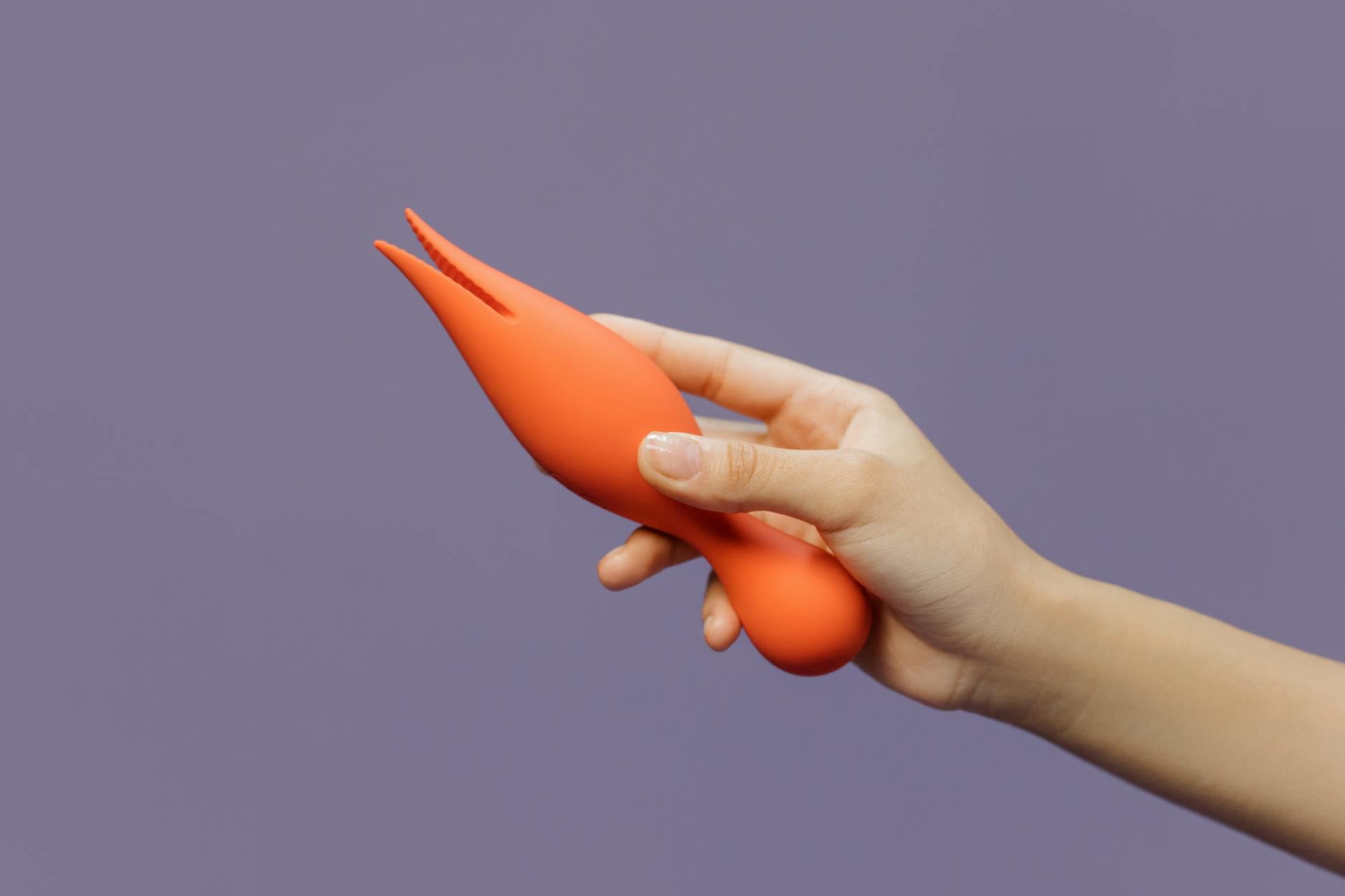
Start solo. Not because partnered sex is bad, but because you need to rebuild the connection between your nervous system and pleasure without external pressure. A lemon clitoral vibrator, specifically, is ideal for this because suction stimulation feels fundamentally different from traditional vibration. It's gentler to reintroduce, harder to overstimulate with, and it works with your body rather than against it.
Set aside time when you have zero obligations for the next three hours. Not because it'll take that long, but because you won't feel rushed. Pressure destroys the fragile neural pathways you're rebuilding.
Creating the right environment
This isn't about candles or playlist curation. This is about your nervous system feeling safe enough to let go. Depression taught your body that staying tense was survival. You need to teach it that loosening is safe.
Dim the lights if bright ones feel activating. Take a bath first if that helps you feel present in your body. Some people need to be warm. Some need to move a little first, stretch, shake out tension. Pay attention to what makes your nervous system settle. This is the ritual that matters.
Here's the part no one tells you: your first few sessions with a lemon vibrator after depression might not result in orgasm. They might just be about sensation. About noticing that your body can feel something other than heaviness. That's a win. Don't move past it too quickly.
How to actually use a lemon vibrator when you're relearning desire
Start at the lowest intensity setting. Pattern 1 on a lemon clitoral vibrator is genuinely gentle. You're not trying to achieve anything. You're just exploring.
Warm up first. Touch your vulva without the toy. Notice what your body responds to. Some people need five minutes of this, some need twenty. There's no timeline. This is you and your body negotiating trust again.
When you introduce the lemon vibrator, start away from direct clitoral contact. The suction sensation is effective even through the external tissue. Experiment with positioning. Move the toy slightly. Change the pattern. Pay attention to what feels interesting versus what feels numb.
During depression, many people describe their genitals as feeling disconnected. Like they belong to someone else. This is normal. It takes time for that separation to close. A lemon vibrator helps bridge that gap because the suction creates a focal point of sensation that's easier to concentrate on than traditional vibration.
Set a time limit. Fifteen to twenty minutes is plenty. You're not chasing an orgasm right now. You're practicing the conversation between your brain and your body.
When pleasure starts returning but feels weird
As your body wakes up, you might notice something uncomfortable: grief. You might realize how much you missed this. How unfair it is that depression stole it. How angry you feel about the time it took to come back. All of that is legitimate.
You might also feel guilt if you have a partner. Like you should want them instead of a toy, or like this is somehow a betrayal. It's not. Using a lemon vibrator is actually scaffolding for partnered intimacy. You're rebuilding your own capacity for pleasure first. That's the foundation that partnered sex gets built on.
Some people experience orgasms that feel muted even as sensation is returning. Like the release isn't quite landing. This is common. Your body's pleasure pathways are still rerouting. Keep going. It gets fuller.
Reintroducing your partner when you're ready
If you have a partner, this conversation matters: "I'm rebuilding my relationship with my body. I'd like your patience while I figure out what I need right now."
That's not rejection. That's clarity. A good partner will understand that depression wasn't about them, and that your return to desire isn't something they can rush.
When you do move toward partnered sex, consider having the lemon vibrator present. Not as a replacement for them, but as part of the equation. Many people find that having a tool that reliably creates sensation takes the pressure off their partner to figure out what works. Everyone relax. Everyone gets more pleasure.
Start with extended foreplay. Your reawakened nervous system needs time to trust being vulnerable with another person. Thirty minutes of touching before sex. Actual time. This isn't rushed reconnection, it's rebuilding.
What to watch for (and when to pause)
If numbness returns, that's information. It doesn't mean you're failing. It means your nervous system needs more time, or your medication needs adjusting, or you're pushing too hard too fast.
If using the lemon vibrator triggers anxiety, slow down. Your body's trauma responses might be tangled up in your depression history. A therapist trained in somatic work can help untangle that. Using a clitoral vibrator isn't the goal. Feeling safe in your body is.
If you're having intrusive thoughts during solo time, that's also worth noting. Depression often travels with other things. OCD, anxiety, past sexual trauma. If thoughts keep interrupting pleasure, a clinician who specializes in sexual health alongside mental health is a good investment.
The longer view
Your sex drive returning after depression is not a return to baseline. It's an evolution. You've been through something. Your body knows that. Your nervous system is different now.
Many people report that their sexuality after depression is actually richer. More intentional. Less driven by obligation or performance. You know what it's like to lose the capacity for pleasure, so when it comes back, you're less likely to take it for granted.
The lemon vibrator is a tool in that process. Not a cure, not a shortcut. A way of telling your body: you're safe, you can feel this, pleasure is still yours.
Give yourself the same patience your nervous system needed to survive depression. You deserve that same grace as you rebuild.
People also ask
Can I use a lemon vibrator if I'm still on antidepressants?
Yes, absolutely. In fact, many antidepressants eventually help restore libido once the depression lifts. Some SSRIs can dampen arousal as a side effect, but that's different from depression itself. If you're concerned about medication impacts on your sexuality, talk with your prescriber. There are options if one medication is problematic. Using a lemon clitoral vibrator while on medication is safe and often helpful for rebuilding sensation.
How often should I use a lemon vibrator while reconnecting with desire?
There's no prescription. Some people benefit from three times a week, building that nervous system trust regularly. Others prefer once a week with plenty of space between. The goal is consistency without pressure. If using it starts to feel like a task, you're probably overdoing it. Let pleasure be something you notice you want, not something you're supposed to do.
What if orgasm doesn't happen even after weeks of using the vibrator?
Orgasm is not the goal right now. Sensation, presence, and safety are. Many people's orgasms take months to fully return after depression. The lemon vibrator helps rewire the pathways, but your brain also needs time. If it's been several months and nothing is shifting, check in with a sex therapist or your doctor. Sometimes depression leaves other things in its wake that need specific attention.
Is using a lemon vibrator solo going to make partnered sex harder?
The opposite. Understanding your own body's capacity for pleasure makes partnered sex better, not worse. You'll have clearer communication about what works. Less pressure on your partner to figure you out. Better sex for both of you. A vibrator is information, not competition.
My partner wants to be involved immediately. What do I do?
Be honest: "I need a little time to reconnect with my own body first. This isn't about you. This is about me rebuilding trust with pleasure." Most partners who care about you will respect that. If they don't, that's its own conversation. But usually, a partner will appreciate that you're being thoughtful about the return of intimacy rather than forcing something that doesn't feel right.
Can I use a lemon vibrator if my depression medication affects my sensation?
Yes. In fact, a suction toy like a lemon vibrator can sometimes penetrate that numbness better than traditional vibration because it creates a different kind of stimulation. Start at the lowest setting and go slowly. If numbness persists, that's worth flagging to your prescriber. But the vibrator itself is safe to use regardless.
The bottom line
Your sex drive coming back after depression is your nervous system saying: I feel safe enough to want again. Honor that. Don't rush it. Don't shame it. Don't let anyone else's timeline override your own.
A lemon vibrator is a compassionate tool for this moment. It works with your body's returning sensitivity, it gives you control, and it builds a conversation between you and pleasure without external pressure. That matters.
If you're struggling with the return of desire or anything feels stuck, reach out. A therapist who specializes in sexual health and mental health can help you navigate this. And if you just need to know that what you're feeling is real and valid, I'm telling you that now: it is.
You survived. You're rebuilding. Your pleasure matters in that process.
Have questions about reintroducing intimacy or reconnecting with your body after depression? Get in touch. We're here to support your journey without judgment.