Here's what nobody tells you about pressure and pleasure
When sex starts feeling like a performance instead of an experience, your body knows. Your nervous system tightens. Arousal takes longer or doesn't show up at all. You find yourself watching yourself instead of being inside the moment. And the harder you try to "fix it," the more distant pleasure becomes.
Rushed or pressured sex is one of the most common reasons people disconnect from their bodies. Whether it's time constraints, a partner's expectations, your own internal "should be happening by now" voice, or the weight of making it count, pressure kills the exact thing you're trying to create. The irony is brutal.
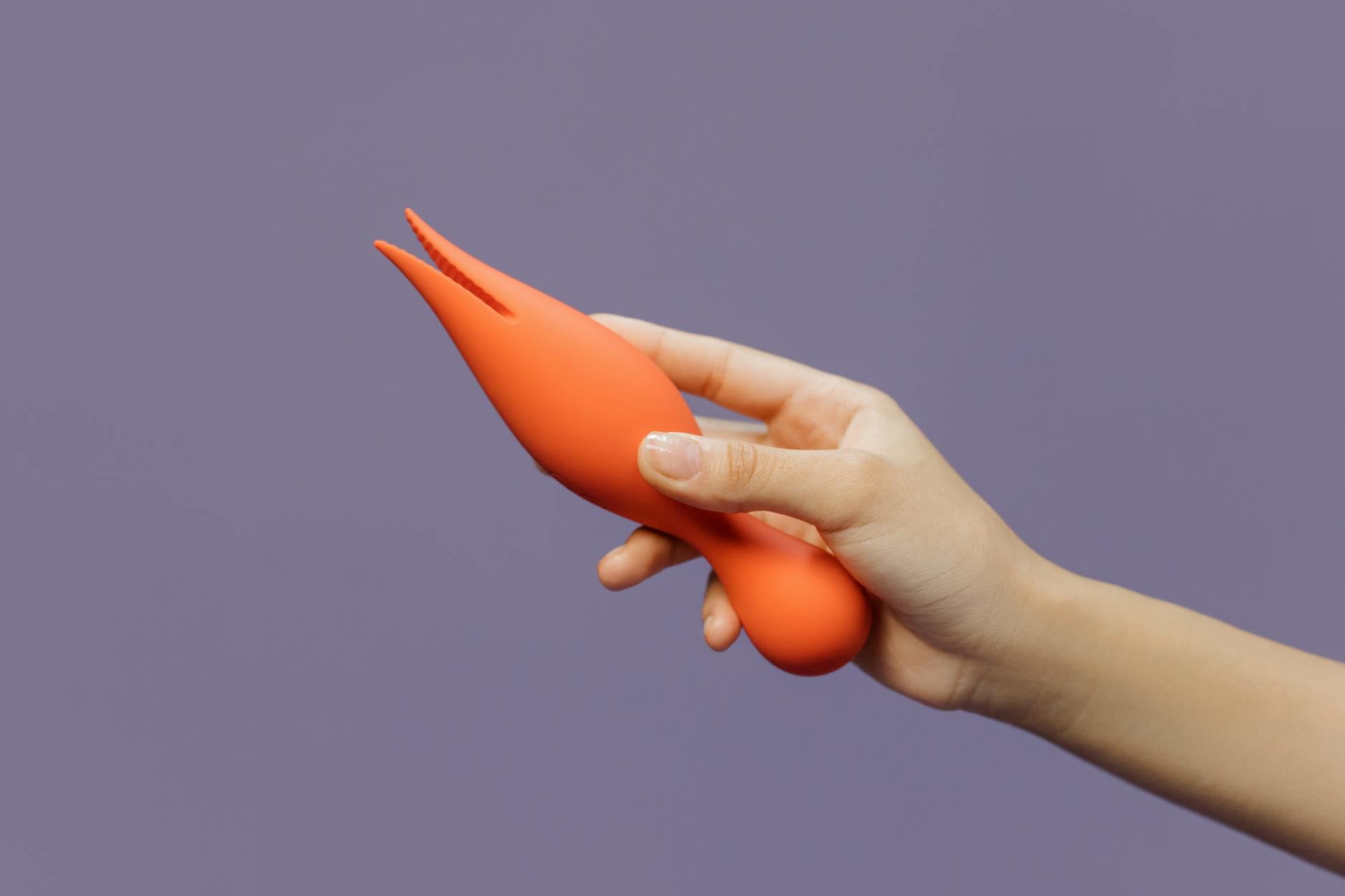
A lemon clitoral vibrator changes this equation. Not because it's a magical device, but because it gives you permission to slow down and reclaim the experience on your terms.
Why pressure kills arousal in the first place
Your body can't be in fight-or-flight and pleasure at the same time. When you feel rushed or watched or judged (including by yourself), your nervous system activates your stress response. Blood flows away from your genitals and toward your major muscles. Lubrication stalls. Sensation dulls. It's not a flaw in your body. It's your body doing exactly what it's supposed to do when it senses a threat.
Pressure also splinters your attention. Instead of feeling pleasure, you're monitoring whether you're having enough of it. You're tracking time. You're wondering if your partner is getting bored. You're calculating whether this will lead to sex. That mental load is the enemy of arousal.
When you introduce a lemon sucker or clitoral vibrator into solo or partnered pleasure, you create a new frame: this is not about performance or reaching a destination. This is about sensation and exploring what feels good right now. That frame shift is where the magic lives.
The solo version: how to use a lemon vibrator without pressure
Start by removing the clock. If you have 15 minutes and you're watching it count down, your nervous system is in a sprint. Give yourself permission to have no endpoint. Even better, schedule this when you have nowhere else to be. Solo pleasure under pressure is still pressure.
Begin with the lowest setting on your lemon vibrator. The goal is not to chase orgasm. It's to reconnect with what sensation actually feels like on your skin. Many people find that when they stop trying so hard to come, orgasms show up more reliably. That's not coincidence. That's what happens when your nervous system finally relaxes.
Move slowly. Let your hands and the lem vibrator explore different areas without a mission. Spend time on your inner thighs, your lower belly, your hip bones. The clitoral vibrator doesn't have to stay on your clitoris the whole time. Suction toys like Hello Nancy's lemon design work beautifully on the entire vulva. The external opening of the vagina, the perineum, the sensitive areas above the clitoris. This kind of meandering touch tells your body that you have nowhere to be.
Notice what feels good without pushing for more. If a sensation is pleasant, stay with it. If it's not, move on. You're not gathering data for a performance review. You're just paying attention.
The partnered version: how to reframe pleasure together
If rushed sex is happening with a partner, the conversation matters more than the toy. The lemon clitoral vibrator can be part of that conversation, but it's not the solution by itself.
Start here: "I want to try something different. I want us to slow down and stop worrying about where this is going." That's the honest opener. Then set a boundary that actually helps. "Can we agree that tonight is just about sensation? No goal. We're not aiming for anything." This sounds simple, but it's radical. It gives both of you permission to stop performing.
Introduce the lemon vibrator as a tool for exploration, not a fix. Show your partner how it feels. Let them see you use it. If they want to use it on you, that's their choice. Some people find that external pleasure from a partner using a toy on them is less performance-y than penetrative sex. The script is different. The expectations are clearer. You're both just paying attention to what's happening.
If your partner feels threatened by the toy, that's worth addressing separately. Jealousy about a lem vibrator often isn't really about the device. It's about feeling replaced or worrying that you don't want them anymore. Those are real fears that need a real conversation, not a workaround. See how to use a lemon vibrator when your partner isn't interested in sex toys for more on that dynamic.
Creating rituals that say "no rush"
Rituals tell your nervous system what to expect. When sex always follows the same compressed schedule or happens in the same rushed context, your body learns to brace for performance. Breaking that pattern matters.
Try this: set a specific time that's actually protected. Not "sometime this week." An actual calendar block. Make it earlier in the day if possible. Morning or early evening sex feels less performative than late-night sex for many people. You have more energy. Your brain isn't already fried.
Create a small transition. Light a candle. Play music that feels good. Take a shower. Something that signals to your nervous system: this is different. This is not rushed. The ritual doesn't have to be long. It just has to be intentional.
When you pick up your lemon sexual toy, move slowly with it. Use the lower settings first. Explore before you intensify. This pace is the opposite of rushed sex. Your body learns that this is a different kind of experience.
What to do if pressure is baked into your relationship
Sometimes rushed sex isn't an accident. It's a symptom of a relationship that's running at full speed. You're managing kids, work, logistics. Sex has become another item on an endless to-do list.
A lemon vibrator can help you reclaim some pleasure in the meantime. But if pressure is the baseline for your whole relationship, solo pleasure with a clitoral vibrator isn't a fix. It's a band-aid. The real work is figuring out why you're both moving so fast and whether you actually want to slow down together.
Sometimes the answer is couples therapy or a real conversation about priorities. Sometimes it's restructuring your life. Sometimes it's accepting that this particular partnership isn't going to meet your needs for unhurried intimacy. Those are bigger conversations. A lem vibrator can't solve them. But it can give you something while you figure out what you actually need.
The permission piece
Here's what I notice with clients: the moment they give themselves permission to slow down, everything shifts. Not just pleasure. Desire shows up. Connection deepens. Orgasms become more reliable. Your body responds to permission.
A lemon clitoral vibrator is just the tool. The real work is the permission. Permission to take time. Permission to explore without a destination. Permission to feel good without earning it or proving anything. Permission to say no to rushed sex, even in your own mind.
When you use a lemon sucker or any clitoral vibrator while actually practicing that permission, your nervous system learns something new. This is safe. This is about me. This doesn't have to go anywhere. That learning is what changes things.
Common questions about pressure and pleasure
Why does my body not respond even with a lemon vibrator if pressure is high?
Because your nervous system is still perceiving a threat, even if the threat is internal. A vibrator is a tool, not a magic wand. If you're using a clitoral vibrator while still monitoring whether it's working or worrying about how long it's taking, you're still in performance mode. The vibrator can help you shift, but you have to actually let yourself slow down. That's the hard part.
Is it normal to feel guilty about taking time for solo pleasure when my partner might want sex?
Completely normal and completely worth questioning. Your pleasure isn't selfish. Your body isn't on loan to someone else. Solo time with a lemon vibrator or any toy is not a betrayal of your partner. It's self-care. If you're carrying guilt about your own pleasure, that's worth exploring, because that guilt is another form of pressure.
How do I explain to a partner that I need slower sex without making them feel bad?
With honesty. "I want to feel more connected and less rushed. I want us to take more time." That's not criticism. That's a preference. You can also say: "Using a lemon clitoral vibrator with you (or alone) helps me relax. Can we try that?" If your partner responds with defensiveness instead of curiosity, that's information about the relationship dynamic worth paying attention to.
What if I feel pressure even when I'm alone with my toy?
That's your internal voice putting on the same performance. Try this: set a timer for solo pleasure but don't set a goal for what should happen. Just explore for 20 minutes with no outcome required. You might come. You might not. Both are fine. The point is releasing the pressure, not the pleasure.
Can using a lemon vibrator help with anxiety-driven rushed sex?
It can help you reclaim some pleasure while you address the anxiety. But if anxiety is the driver, a toy is a support tool, not a cure. Therapy, breathing work, and nervous system regulation are the real solutions. The vibrator just makes the experience feel better while you're doing that work.
Is it better to use a lemon sexual toy solo or with a partner when you're dealing with pressure?
That depends on where the pressure is coming from. If it's internal, solo exploration with a clitoral vibrator helps you rebuild trust in your own body. If it's relational, partnered use with clear communication helps you rebuild connection. Often you need both.
What actually matters
You don't need a lemon clitoral vibrator to have unhurried pleasure. You need permission. But having a tool that's designed for exploration without performance can help you practice that permission. A lem vibrator or any suction toy says: this is about sensation, not achievement. This is about you, not proving anything. That message, repeated over time, rewires how you relate to your own pleasure.
If rushed sex has become your default, reclaiming slower pleasure is an act of self-care and resistance. It's saying: my body belongs to me. My pleasure matters. I'm not on a schedule. That's not frivolous. That's radical. And it starts with one decision to slow down.
Ready to explore? Start with your own body. Give yourself time. Pay attention. Notice what feels good. That's where everything shifts.