
Let's be real about intensity settings
There's no universal "right" intensity. The person who loves pattern 9 immediately might find pattern 5 overwhelming tomorrow. Your nervous system isn't broken. It's just responsive, and that's actually good information.
The problem is that most vibrator guides talk about intensity like it's a fixed thing. Start low and work up. Yes, okay, but what does that actually mean for a lemon clitoral vibrator? How slow is slow? What's the difference between pattern 3 and pattern 5? And why does your body want something completely different depending on whether you've had coffee, sleep, or a stressful day?
I'm going to walk you through how to decode your own intensity preferences so you're never guessing again.
The intensity spectrum is not linear
Here's what nobody explains: the jump between pattern 1 and pattern 3 on a Lem vibrator feels totally different than the jump between pattern 5 and pattern 7. Lower intensities cluster together. Higher ones spread out. That's actually useful information.
When you're starting with a lemon vibrator for the first time, your instinct might be to skip straight to medium and see what happens. Don't. Not because you're delicate, but because you need baseline data about how your body responds to stimulation before you add variables.
Think of it like this. If you've never had really strong coffee, jumping to espresso tells you nothing useful. But starting with a regular cup gives your palate something to measure against. Once you know what baseline feels like, intensity decisions become easier.
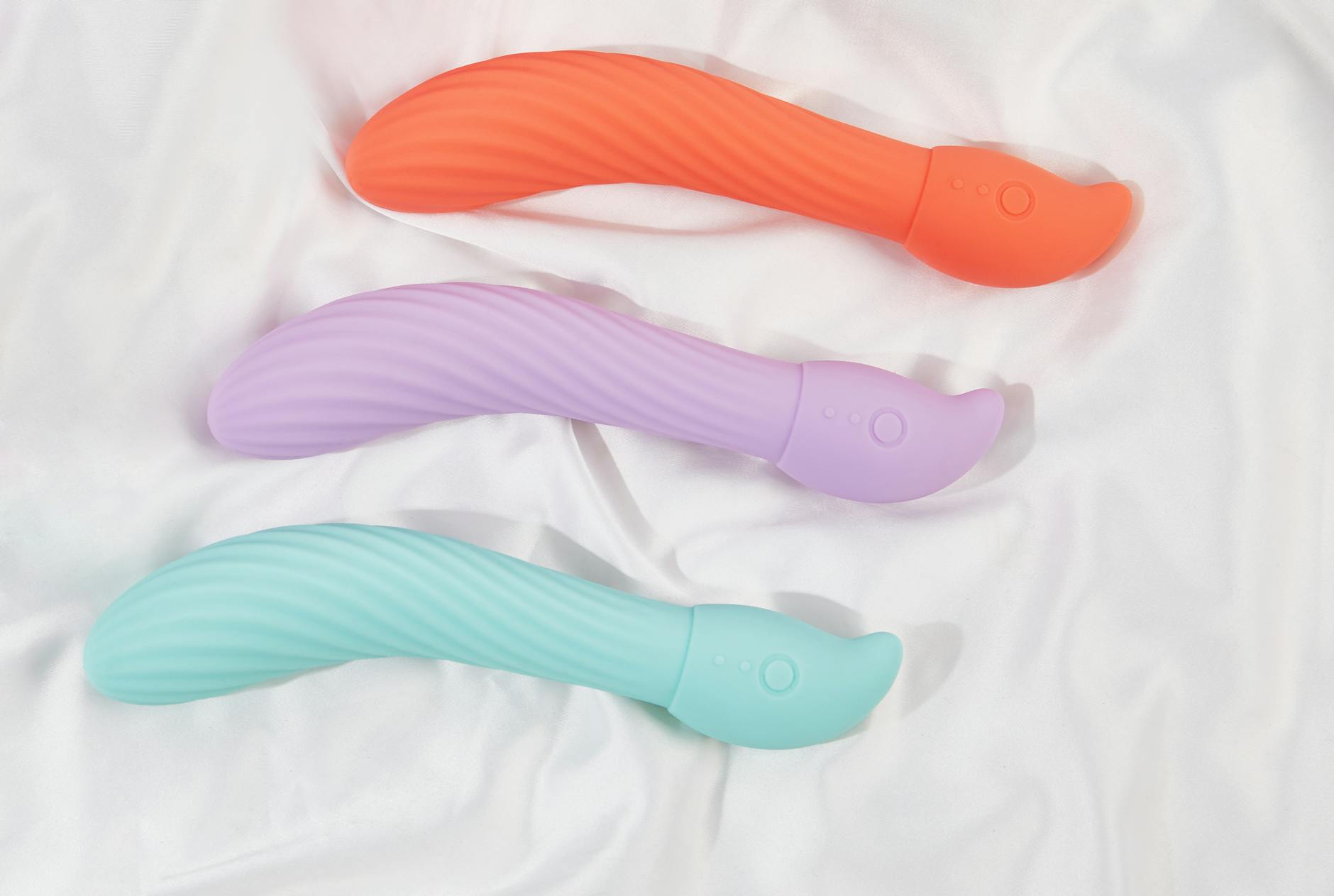 Photo by IFONNX Toys on Pexels
Why your intensity preference changes day to day
Your body isn't the same every day. Hydration, caffeine, stress levels, where you are in your cycle, how much sleep you got, and even what you've been thinking about all shift how sensitive your vulva feels.
This is why intensity settings matter. A lower setting becomes a tool, not a downgrade. It's not "I'm not into it today." It's "my nervous system needs something gentler right now."
Most people assume sensitivity is fixed. It isn't. You might want intensity 7 on a Saturday morning after good sleep and feel completely over-stimulated by intensity 4 on a Wednesday night after a hard day. Both are normal. Both are you reading your own body correctly.
The key is not forcing yourself up the intensity ladder because you think you should. That's when sex becomes something you're doing instead of something you're feeling. And that's the opposite of why you have a vibrator.
Start here: the three-setting system
Most Lem vibrators have multiple intensity levels and patterns. Instead of thinking about all of them at once, pick three.
Your low setting: This is usually pattern 1 or the slowest rhythm on pattern 2. It should feel like gentle pressure, not buzzing. If it feels strong, you might be pressing too hard. Clitoral vibrators work better with a light touch. Think contact, not force.
Your medium setting: This is typically patterns 3 through 5 depending on the day. Medium should feel noticeable, pleasurable, but not overwhelming. You can sustain it for minutes without needing a break. This is usually where longer sessions happen.
Your high setting: Patterns 6 and above. High intensity is for shorter bursts, usually when you're already very aroused and close to climax. Most people use high intensity for 30 seconds to 2 minutes, not the whole experience.
You don't need to use all three in one session. You also don't need to climb from low to high. Sometimes a whole session is just medium. Sometimes it's low then high with barely any transition. Your body is the map.
The pressure variable changes everything
Here's what trips people up: they blame the vibrator's intensity when the real issue is how hard they're pressing it against their vulva.
A lemon vibrator should never require pressure. The suction aspect of air-pulse vibrators means they're designed to do their work with light contact. If you find yourself pressing hard, you're probably desensitized and need a break, or you're using it wrong.
Try this: place the vibrator against your vulva and drop your hand. If it stays, great. If it falls away, you're gripping it unconsciously. Let your arm rest on the bed or your leg. The weight of your arm should be enough. No squeezing. No directing. Just contact.
When you reduce pressure, you often perceive the intensity as higher because more nerve endings are actually receiving the signal. Counterintuitive, yes. But it matters.
Finding your baseline: the first session protocol
Turn on pattern 1. That's it. Don't move up. Don't skip ahead. Use pattern 1 for an entire session if you're new to lemon vibrators. This is information-gathering, not performance.
Notice what feels good. Does the rhythm match how your body wants to move? Is it too subtle, or is it actually great? Spend 5 to 10 minutes just getting used to the sensation and the toy's weight and shape.
Once pattern 1 feels familiar, try pattern 2 for a minute. Notice the difference. Then go back to pattern 1. This comparison teaches your body what "one step up" actually means.
If pattern 2 feels fine, great. Try pattern 3 the same way. The goal is not to reach orgasm. The goal is to collect data about what your body responds to. Pleasure will follow.
The plateau trap (and how to escape it)
After a few sessions, you might notice that your favorite intensity stops delivering the same feeling. You want to turn it up. Before you do, pause.
This is actually normal adaptation, and it doesn't mean you need stronger vibration. It means you're becoming habituated. Your nervous system has logged the stimulation as "familiar" and is no longer firing at full volume in response.
The fix isn't more intensity. It's variation. Try a different pattern. Try a different rhythm. Try the same intensity but with a different touch technique. Maybe use it through underwear instead of directly. Maybe use it for 3 minutes then stop for 10 minutes before restarting.
Taking breaks resets your sensitivity. That's why many people find that stopping and restarting actually gets them closer to orgasm than just cranking up the intensity and pushing through.
This is also why rotating between different clitoral vibrators or using them intermittently prevents that plateau entirely. If you only ever use the same lemon vibrator at the same intensity, your body will eventually yawn at it. But if you vary the tool, the setting, and the gap between sessions, you stay surprised.
Partner scenarios and intensity
If you're using a lemon vibrator with a partner, intensity conversations matter, but they're also awkward for a reason. You're negotiating pleasure in real time, which requires vulnerability.
Here's what helps: talk about it outside the bedroom first. Literally tell your partner, "I'm still figuring out what intensity I like. Some days it's low, some days medium. I might ask you to turn it down or up during, and that's not about you. It's about my body that day."
You might also want to explore how a Lem vibrator works when your partner isn't comfortable with sex toys to understand the deeper dynamic. But if your partner is on board, make intensity decisions a collaborative thing without judgment.
One person controls the vibrator, or you take turns, so the person receiving it can focus on sensation instead of managing the tool. This changes everything. You can actually relax.
When intensity preferences signal something deeper
Sometimes intensity preferences tell you something worth paying attention to.
If you've always preferred medium intensity but suddenly need high to feel anything, that might signal numbness or desensitization, which can come from stress, medication changes, or hormonal shifts. That's not a reason to just turn it up indefinitely. That's information to bring to a healthcare provider.
If you've always been okay with higher intensities but suddenly find everything overwhelming, that might mean your nervous system is activated (trauma response, anxiety spike, or burnout). Again, useful information.
If you want low intensity and feel embarrassed about it, stop. Low intensity is not weak. It's often more nuanced and sustainable. Some people spend their entire lives preferring gentle stimulation, and that's completely valid.
Your intensity toolkit going forward
Once you know your three settings, you have permission to stop overthinking this. You don't need to try every pattern. You don't need to climb the intensity ladder. You need to know what works and use it.
Journal it if you want to notice patterns. Write down what intensity you used, what time of day, how you felt, whether you felt sensitive or numb that day. After a month, you'll see trends that guide your choices.
Also remember that wanting a lower intensity doesn't mean you need a gentler toy. Sometimes it means you need a break. Sometimes it means you want to use your lemon vibrator when arousal feels slow to build because warm-up time, not intensity, is what you actually need.
Your body speaks. The intensity settings are just translation. Listen to it.
People also ask
What intensity should I start with on a new lemon clitoral vibrator?
Start with the lowest setting, which is usually pattern 1. Spend at least one full session at this intensity before moving to anything higher. This gives your nervous system baseline data and helps you understand how your body responds to the vibrator's rhythm, weight, and shape. There's no prize for reaching high intensity. Taking time to enjoy low intensity first actually makes everything that follows more pleasurable.
Why does my Lem vibrator feel less intense than it did last week?
This is adaptation, which is normal. Your nervous system becomes accustomed to repeated stimulation over time. The fix is not stronger vibration. It's variation. Try a different pattern, take breaks between sessions, use it through underwear instead of directly, or switch to a different tool entirely. Rest resets sensitivity. Intensity alone doesn't.
Can intensity settings damage my vulva?
Not if you're using them correctly. The issue isn't intensity itself. It's pressing too hard. Lemon vibrators are designed to work with light contact. If you're gripping the device or applying heavy pressure, back off. Let it rest on your vulva without muscular effort. If you still feel soreness after a session, you went too long or pressed too hard. Stop earlier next time and use a lighter touch.
How do I talk to my partner about what intensity I want?
Be direct outside the bedroom first. Something like: "I'm learning what feels good to me, and intensity preferences change depending on my mood and energy that day. I might ask you to adjust during sex, and that's just me reading my body." If your partner is controlling the device, they should trust you to say what you need in the moment. If you feel judged for wanting lower intensity, that's a relationship communication issue, not a sexuality issue.
Is it normal to prefer low intensity?
Completely normal. Plenty of people find their sweet spot somewhere in the lower to medium range and never want to go higher. Intensity preference isn't linear with pleasure. Some of the most nuanced, sustained sensations happen at lower settings. Don't feel pressured to climb the intensity ladder just because it exists.
Does using high intensity regularly affect how my body responds?
Possibly. Some research suggests very frequent use of high-intensity stimulation can lead to temporary desensitization, but regular variation and rest days prevent this. If you love high intensity, balance it with lower-intensity sessions and breaks. This keeps your nervous system responsive without creating dependency on one setting. Think of it like your eardrums and loud music. They adapt over time, but they reset with quieter sounds in between.
The bottom line
Intensity settings exist because bodies are different, and the same body wants different things on different days. There's no wrong answer. The only way to get this wrong is to ignore what your body is telling you or force yourself up a ladder you didn't ask to climb.
Start low. Stay curious. Let pleasure guide you, not obligation. Your lemon vibrator is a tool for what you want, not a performance metric. Use it that way.